作者: xixigo407

  • The Future of Aluminum Windows in Smart Homes

    Integrating IoT to Enhance Aluminum Window Performance

    商务合作洽谈展厅握手
    Business Partnership Discussion in Showroom

    🌍 1. The Global Shift Toward Smart Homes

    The global smart home market is projected to exceed US$200 billion by 2026, driven by automation, energy efficiency, and enhanced security demands. Aluminium doors and windows — once purely structural elements — are now being redefined as active components of connected living spaces.

    💡 IoT Integration = New Market Value for Aluminium Windows
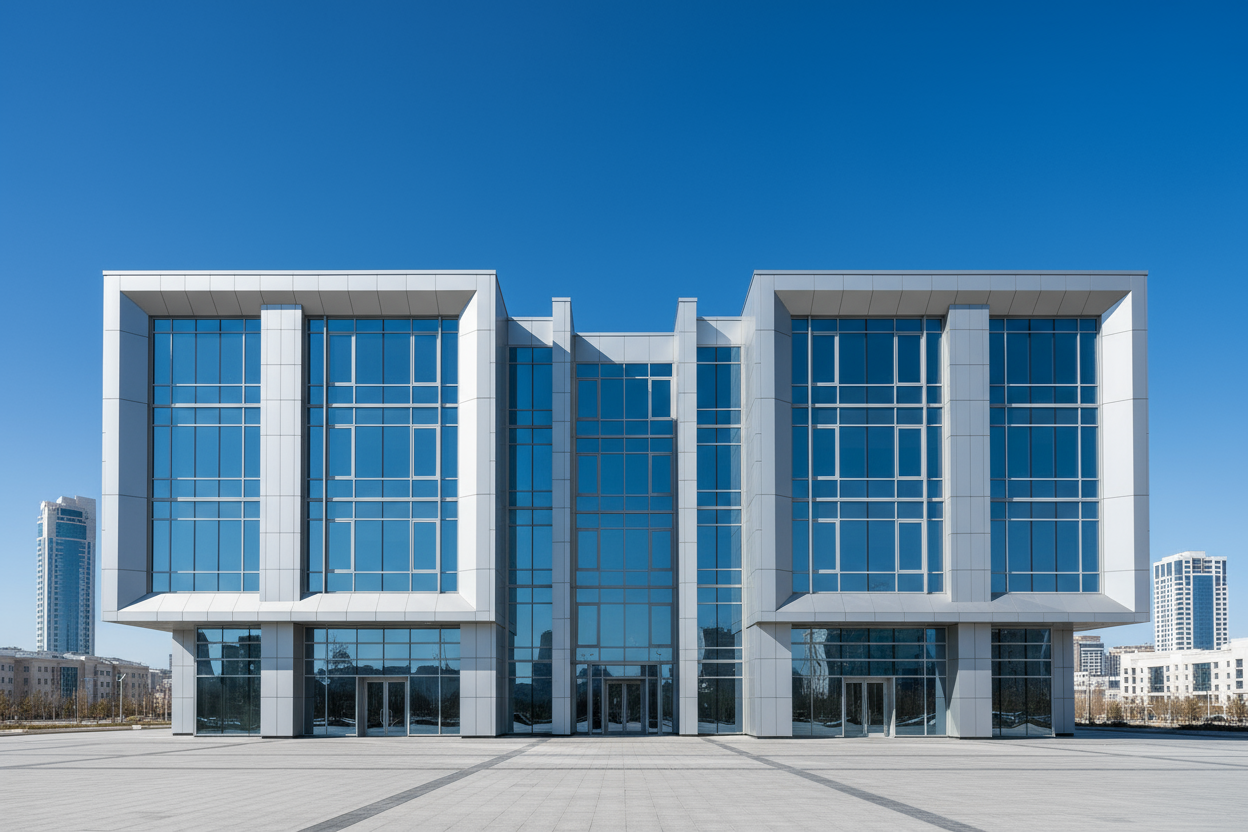
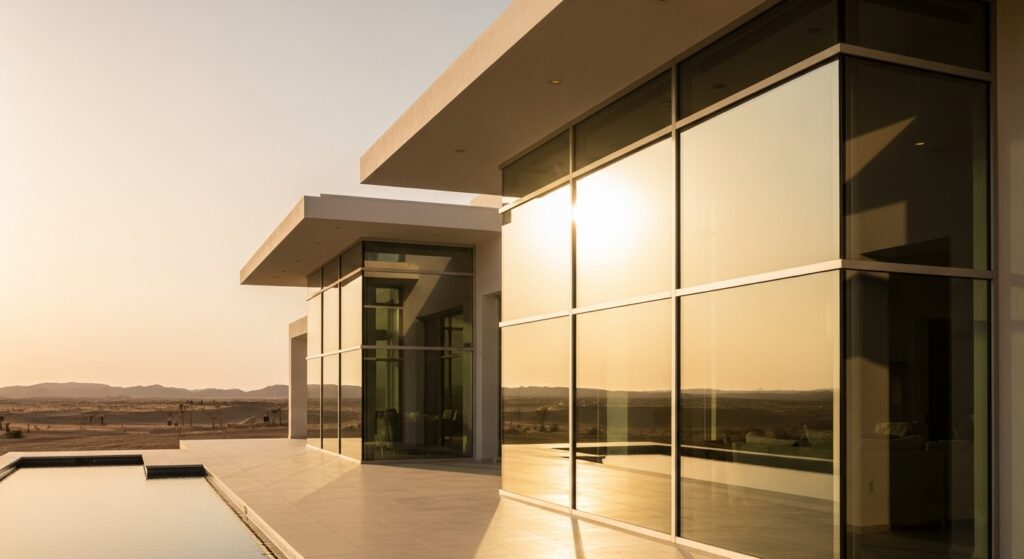
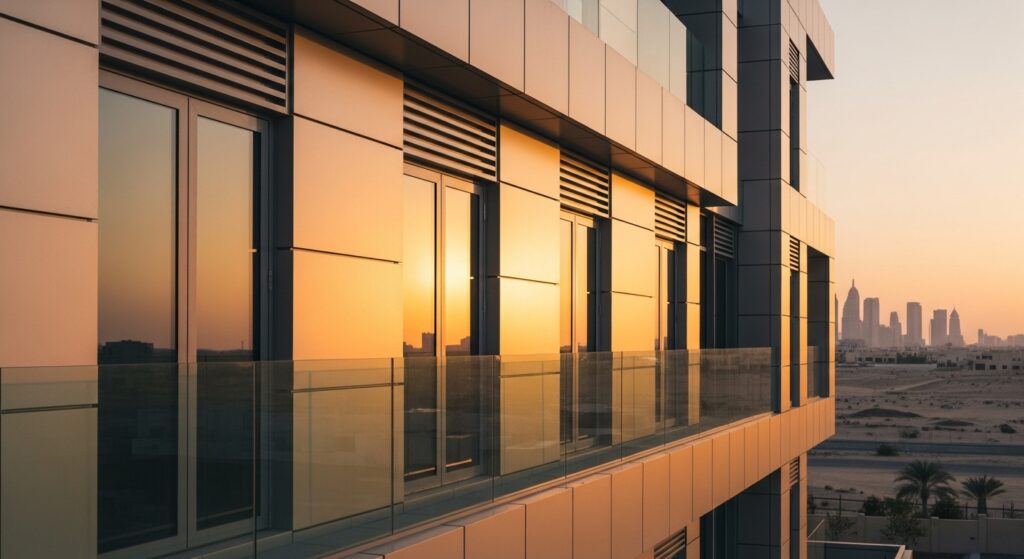
    阿斯塔纳现代建筑铝窗
    Modern Architecture with Aluminum Windows

    🔐 2. From Passive Frames to Smart Guardians

    Modern aluminium windows now incorporate sensors, microchips, and wireless modules, allowing them to:

    • Detect window status (open/close)

    • Monitor temperature and humidity

    • Integrate with smart locks and alarm systems

    • Trigger ventilation or shading automatically

    🏠 Smart aluminium windows are no longer just protection — they’re participation in home intelligence.

    ⚙️ 3. Why Aluminium Is Ideal for Smart Integration

    Aluminium provides the strength, flexibility, and heat resistance required for integrating electronics without compromising structure.

    Additionally, thermal break technology ensures insulation, while surface anodizing or powder coating prevents interference with wireless signals.

    🧠 Strong + Smart = Sustainable
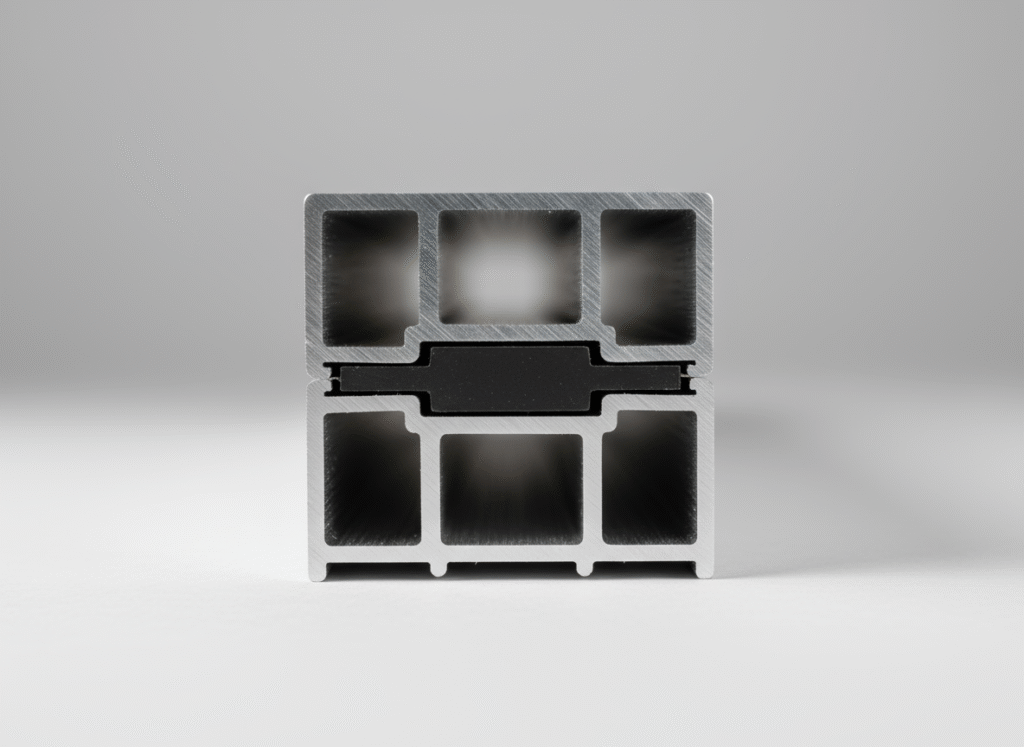
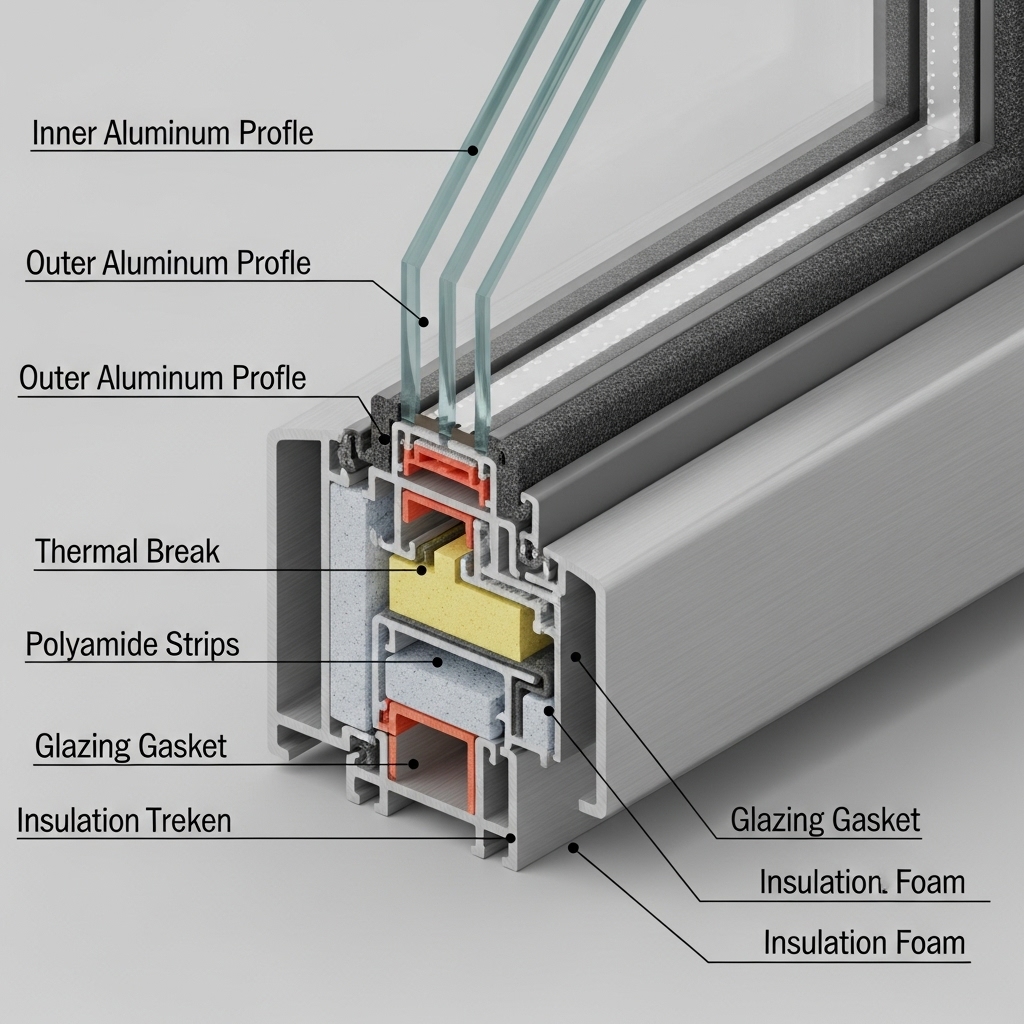
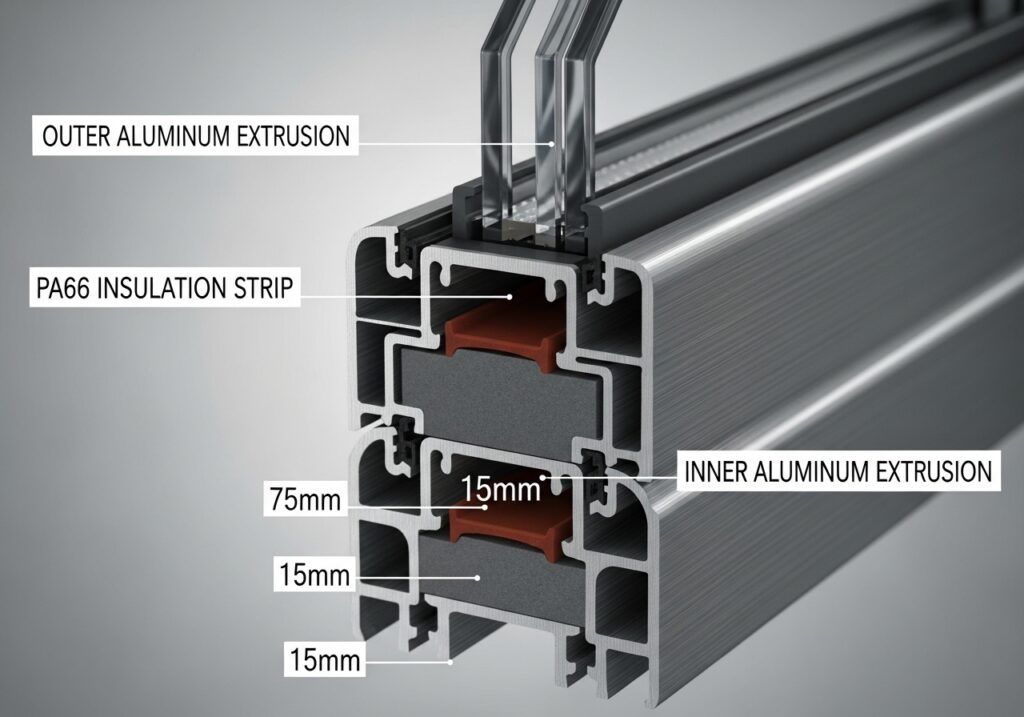
    铝合金型材截面特写
    Aluminum Profile Cross Section Close-up

    🔋 4. Cost and Feasibility: What Buyers Should Know

    While early smart window systems were expensive, advances in low-cost sensors and modular smart hubs have made integration affordable.

    For large projects in the Middle East, Africa, and Southeast Asia, integrating IoT features during manufacturing can reduce retrofitting costs and appeal to green building certifications.

    📊 Buyers should evaluate long-term energy savings vs. initial investment.

    🧠 5. The Future: AI-Driven Maintenance & Predictive Safety

    The next generation of aluminium windows will feature AI algorithms that predict wear, track user behavior, and alert owners before mechanical failure.
    Imagine a window that tells you when its hinges need lubrication — or when high wind pressure requires temporary locking.

    🌐 Smart windows are evolving from passive design to proactive intelligence.
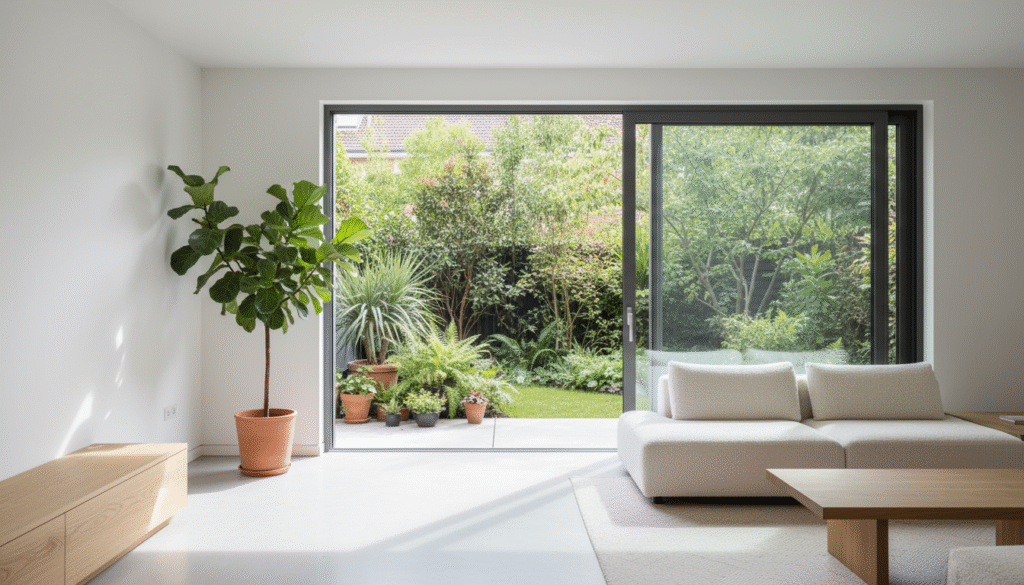
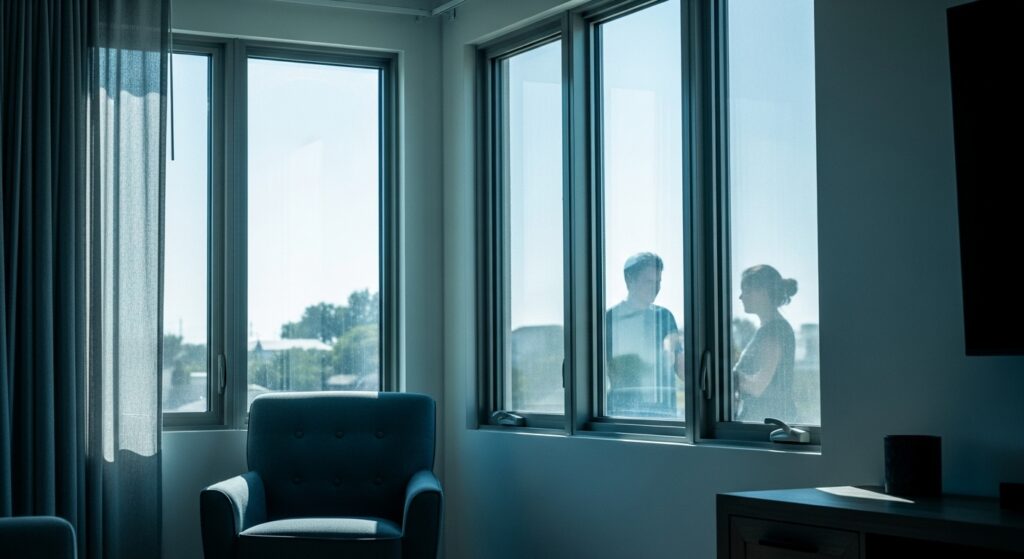
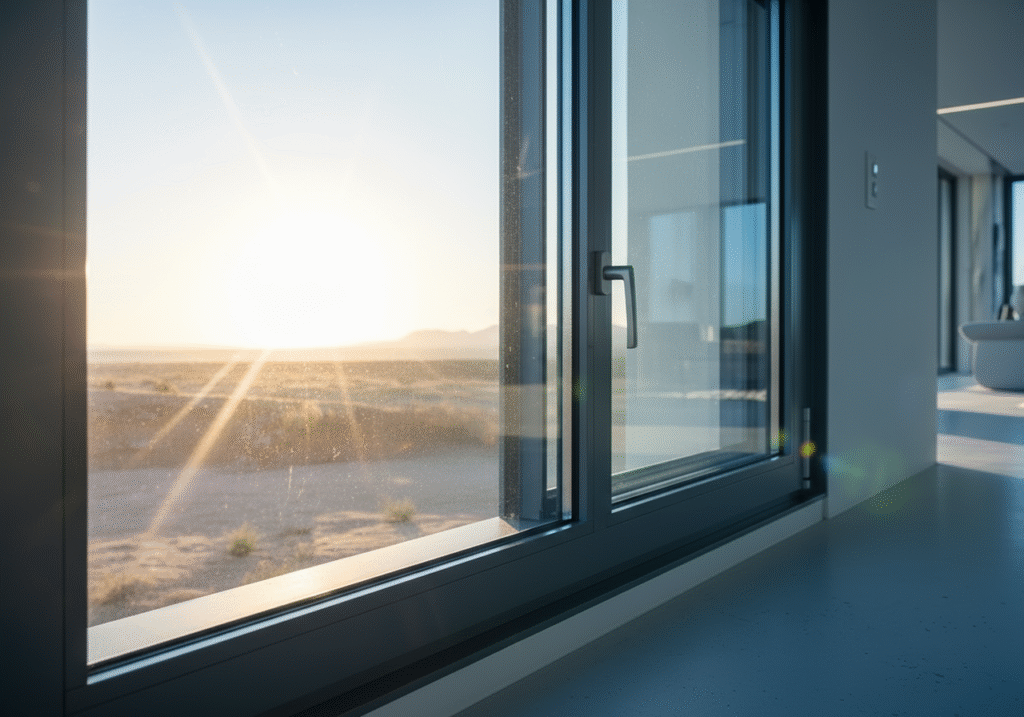
    大型推拉铝窗室内视角
    Aluminium Windows

    🏗️ 6. Openhaus: Pioneering Smart Aluminium Solutions

    With over 10 years of aluminium manufacturing experience, Openhaus is ready to support global builders and distributors embracing the IoT era.

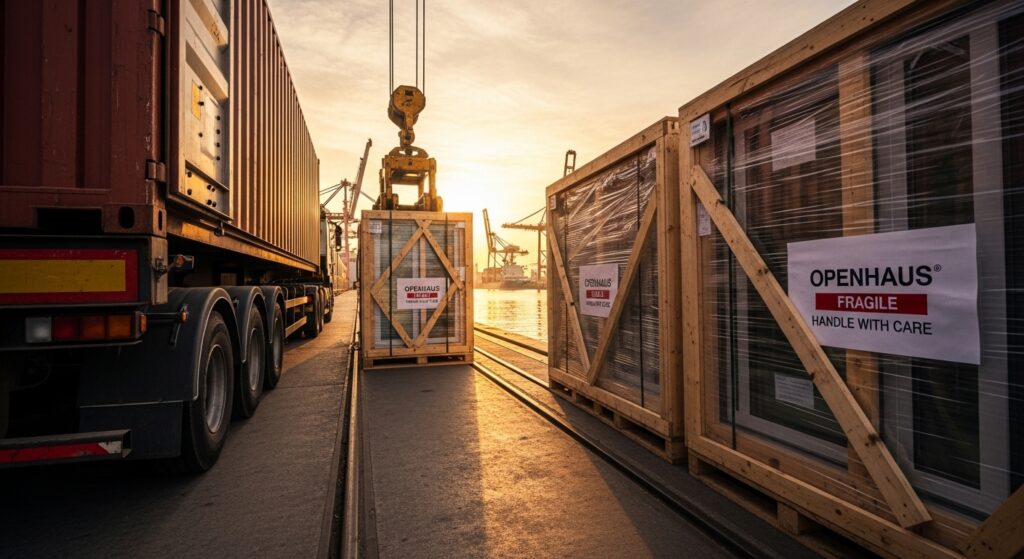
    Our team integrates custom smart modules, durable structures, and export-ready packaging, ensuring every shipment arrives with precision and reliability.

    🚀 Smart manufacturing meets global trade — that’s the Openhaus way.

    📚 Conclusion

    Smart aluminium windows are not just the future — they are already shaping how we live, build, and connect.

    As IoT technologies mature, those who adopt early — like Openhaus — will lead the next decade of energy-efficient and intelligent architecture.

    📞 Contact Openhaus

    📧 Email: openhausliving@gmail.com

    🌐 Website: https://openhausliving.com

    🔺 YouTube: https://youtube.com/@openhausliv?si=dktMp7xiL4ubtP28

    📱 WhatsApp: +86 17623790407
  • Balancing Cost & Performance in Aluminium Windows

    How emerging markets drive demand for affordable, durable aluminium window systems

    大型推拉铝窗室内视角
    Modern Villa with Affordable Aluminium Windows

    🌏 1. The Global Shift: Why Cost Matters More Than Ever

    In emerging markets such as Southeast Asia, the Middle East, and Africa, aluminium window demand is booming — not only for luxury projects but also for mid-range housing and public developments.
    Developers are under pressure to deliver quality at controlled budgets, making cost-performance ratio a decisive factor.

    💡 Did you know? In 2024, aluminium accounted for over 65% of window frames in mid-budget housing projects in Asia and Africa.

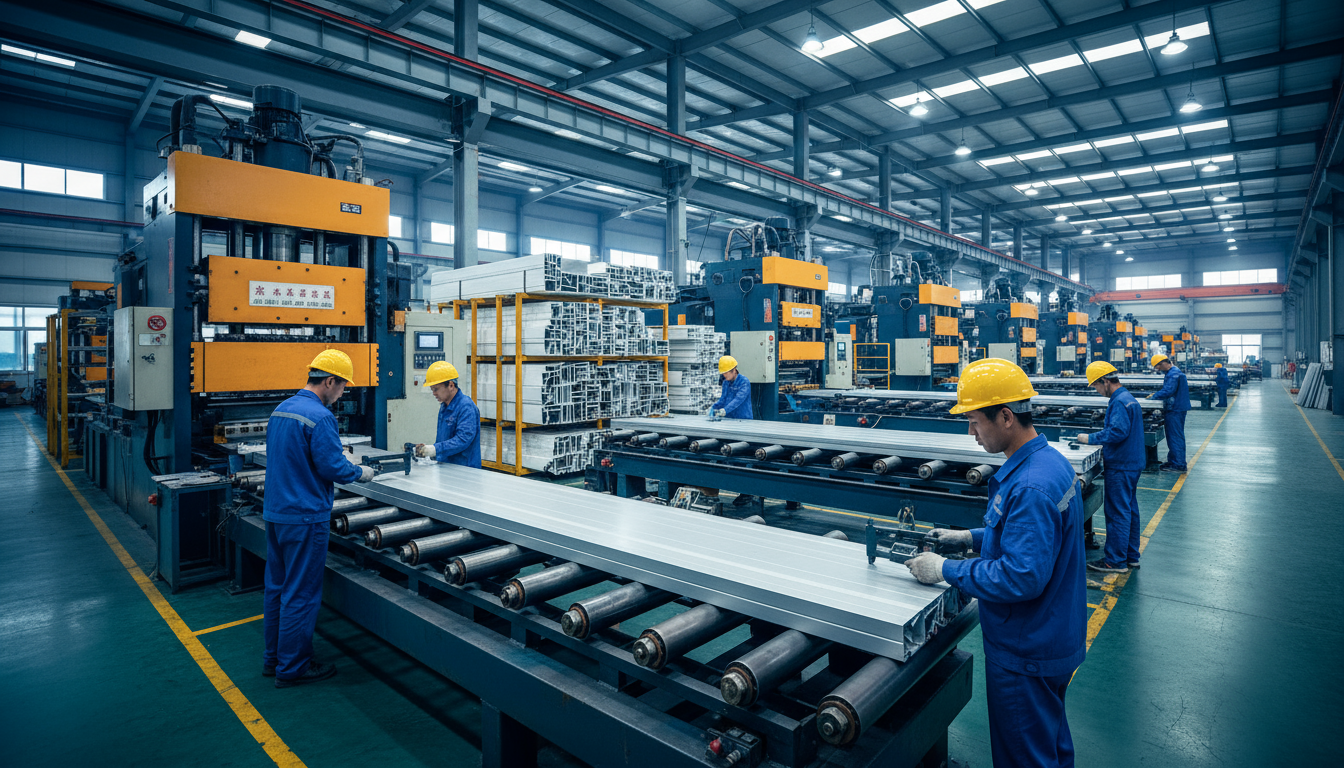
    现代铝窗生产工厂
    Modern Affordable Aluminium Window Factory

    ⚙️ 2. Aluminium’s Advantage: Durability Meets Affordability

    Unlike PVC or wood, aluminium offers superior structural strength, corrosion resistance, and design flexibility — essential for tropical and coastal climates.
    New extrusion techniques and thinner wall profiles allow factories to reduce cost without sacrificing mechanical strength.

    🧩 Example: A 1.4mm wall-thickness aluminium profile can now achieve the same performance once possible only with 1.8mm, reducing material cost by up to 20%.

    🔍 3. Material and Hardware: Where to Spend, Where to Save

    Cost-effective doesn’t mean cheap — it means smart allocation.
    Factories should invest in:

    High-grade rollers and locks 🛠️ (directly affect user experience & safety)

    Quality powder coating or anodizing 🎨 (protects against salt & humidity)

    Standardized profiles 📐 (simplifies production & logistics)

    While savings can be achieved through optimized packaging, modular frame design, and local assembly partnerships.

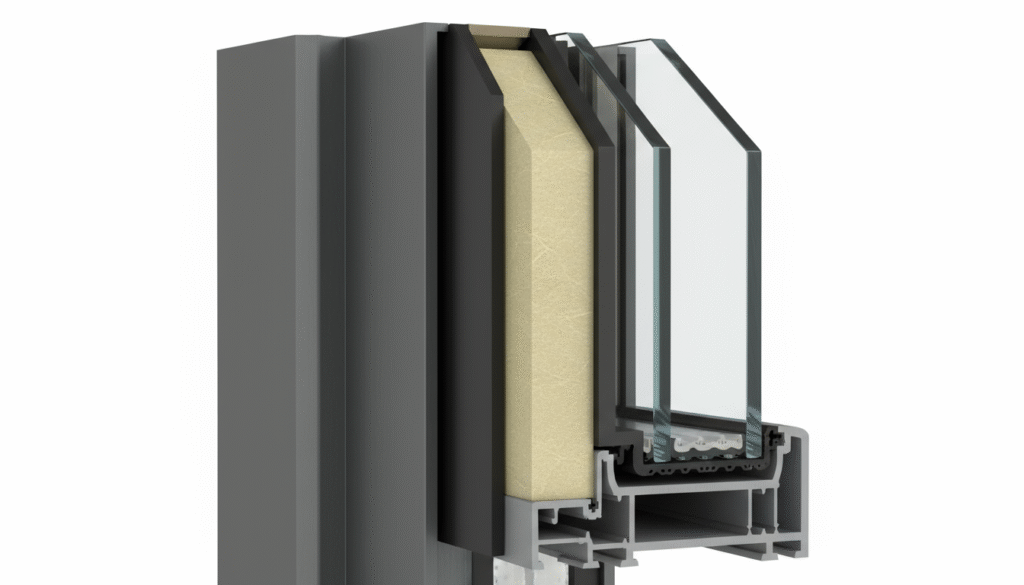
    节能铝窗横截面
    Energy-Efficient Aluminium Window Cross-Section

    🧱 4. Design Trends: Large Openings, Thin Frames, Clear Views

    Emerging markets increasingly favor modern aesthetics — slim aluminium profiles and large sliding systems.
    Sliding and lift-sliding systems dominate high-rise and villa projects due to their space efficiency and premium look.

    🌅 Visual note: Minimalist black matte aluminium frames are trending in urban residential and hospitality projects.

    ♻️ 5. Sustainability & Energy Efficiency as New Value Drivers

    Governments in regions like the UAE, Indonesia, and Nigeria are promoting green building codes, encouraging low-emission materials.
    Aluminium windows with thermal breaks and double glazing not only reduce cooling loads but also add resale value.

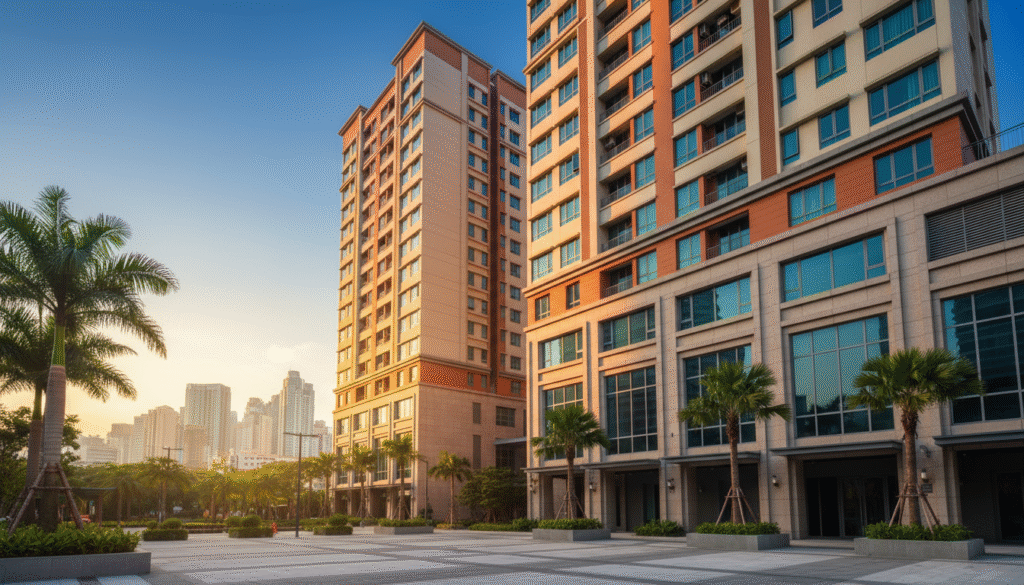
    新兴市场城市建筑铝窗
    Emerging Market Urban Buildings with Aluminium Windows

    🧭 6. Finding the Balance: The Smart Exporter’s Approach

    A successful aluminium window supplier focuses on three pillars:

    1. Efficient production chains
    2. Adaptable designs for multiple markets
    3. Clear communication with distributors

    🚀 Forecast: By 2030, demand for affordable aluminium windows in emerging markets will grow 40% faster than in developed regions.

    💬 7. Conclusion: Cost-Performance Is the Future Language of Trade

    The global aluminium window industry is no longer about luxury — it’s about reliable affordability.
    Suppliers who understand the needs of emerging economies and deliver balanced performance will earn lasting trust and sustainable growth.

    Looking for cost-effective aluminium windows for your next project?
    Contact our team for customized solutions tailored to your market needs.

    📞 Contact Openhaus

    📧 Email: openhausliving@gmail.com

    🌐 Website: https://openhausliving.com

    🔺 YouTube: https://youtube.com/@openhausliv?si=dktMp7xiL4ubtP28

    📱 WhatsApp: +86 17623790407
  • Large-Opening Sliding Aluminium Windows Trend

    Why Sliding Systems Are Gaining Ground in Global Architecture

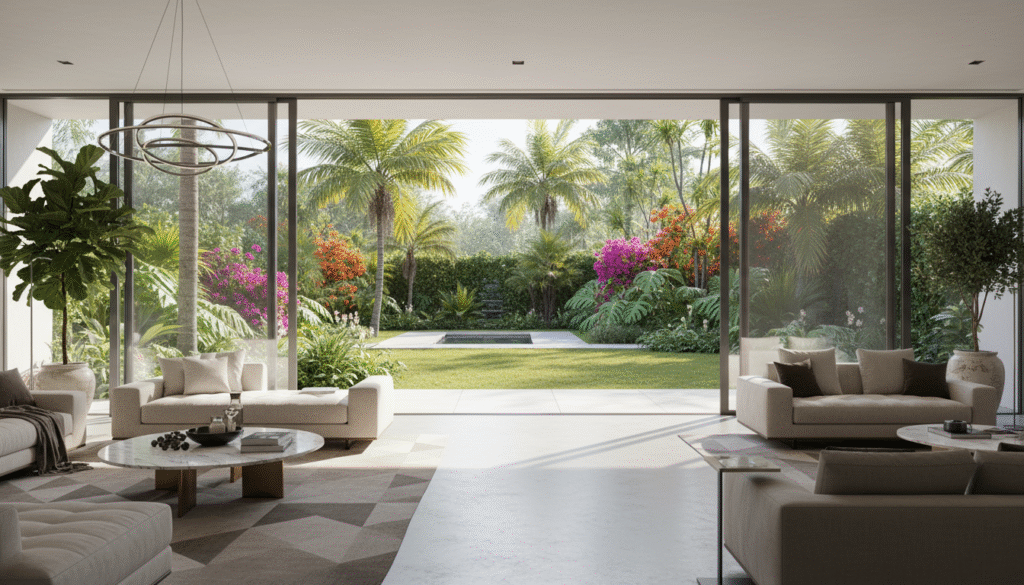
    豪华客厅滑动铝窗室内外衔接
    large-opening sliding aluminium windows, modern villa architecture

    1️⃣ Introduction

    The global architecture and construction landscape is shifting — and one clear sign is the increasing demand for large-opening sliding aluminium windows.
    As a factory-direct aluminium window manufacturer with ten years of experience, Openhaus recognises this trend and the opportunity it offers in export markets.
    In this article, we will examine why sliding systems are gaining ground, what large-opening aluminium windows offer, and how you as a buyer or specifier can take advantage of this evolution.

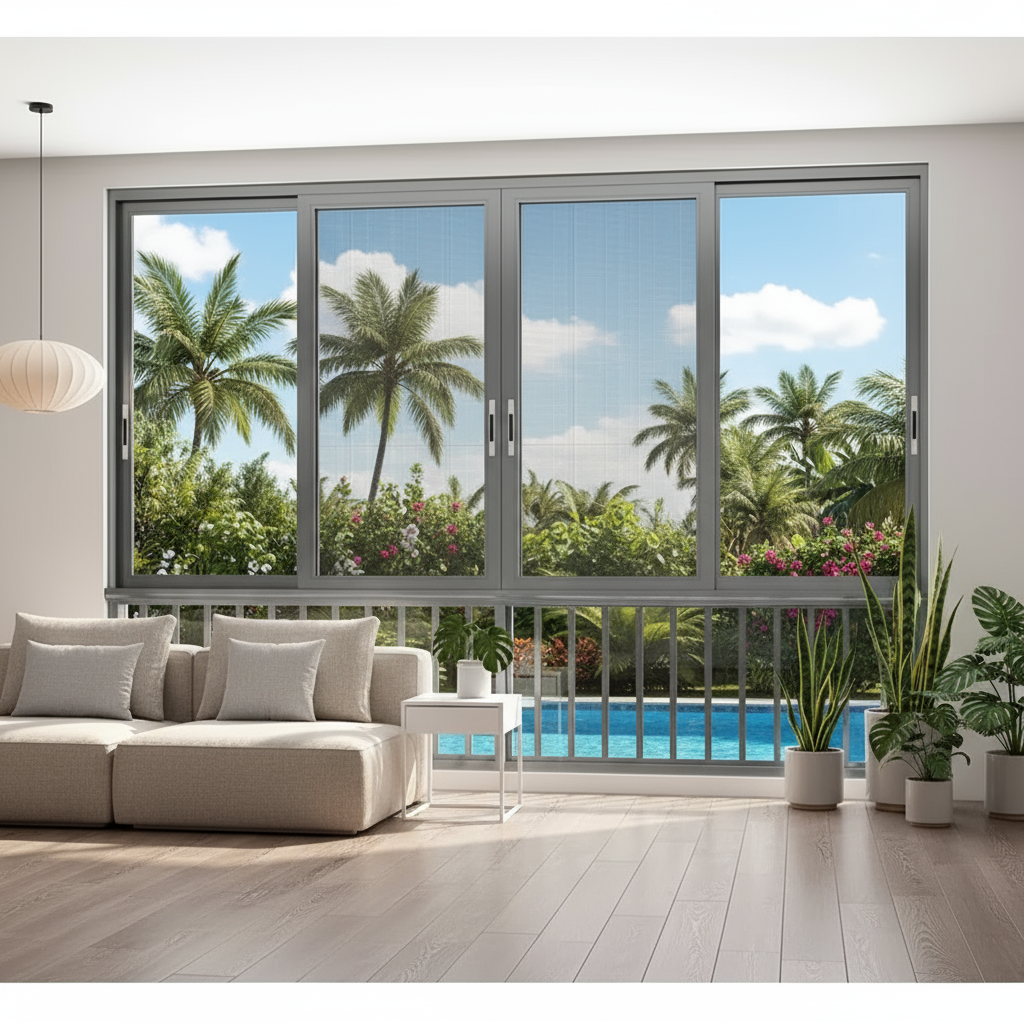
    北欧风格铝合金推拉窗效果图
    indoor-outdoor sliding systems, aluminium window design trend

    2️⃣ What Is Driving the Rise of Sliding Aluminium Windows

    2.1 Architectural demand for seamless indoor-outdoor connection

    Modern buildings increasingly emphasise a connection between indoor living spaces and the outdoors, making large-opening sliding windows highly desirable.
    Sliding systems allow wide spans of glazing with minimal obstructions, enhancing visual appeal and natural light access.

    2.2 Space-saving and practicality in urban environments

    In high-density urban settings, outward-opening windows may be impractical; sliding windows solve this by moving horizontally.
    This practicality is especially relevant in international export markets where building footprints and operational efficiency matter.

    2.3 Export and industry data pointing to strong growth

    Industry research shows that the market for sliding windows is growing rapidly: according to one source, sliding windows accounted for a major share of the aluminium window and door market, and the global sliding window market is projected to expand significantly in the coming years.
    For manufacturers and exporters looking at large-opening aluminium sliders, this signals a meaningful shift in specification trends.

    3️⃣What Large-Opening Sliding Aluminium Windows Offer

    3.1 Enhanced natural light & views

    Large sliding aluminium windows maximise glass area and minimise frame width, giving more uninterrupted views and daylight.
    For projects in luxury residential, resort or high-end commercial sectors, this visual quality is a major selling point.

    3.2 Structural and material advantages

    Aluminium’s strength-to-weight ratio allows for larger opening widths, while modern sliding systems use tracks and rollers designed for heavy panels.
    Large-opening sliders also accommodate glass thicknesses and hardware capable of large spans.

    3.3 Versatility in export markets

    For export-oriented manufacturers like Openhaus, large-opening sliding windows offer a versatile product: they fit villa, resort, tower and infrastructure markets.
    Clients in Middle East, Africa and other regions are increasingly specifying sliders because they combine aesthetics, performance and modern appeal.

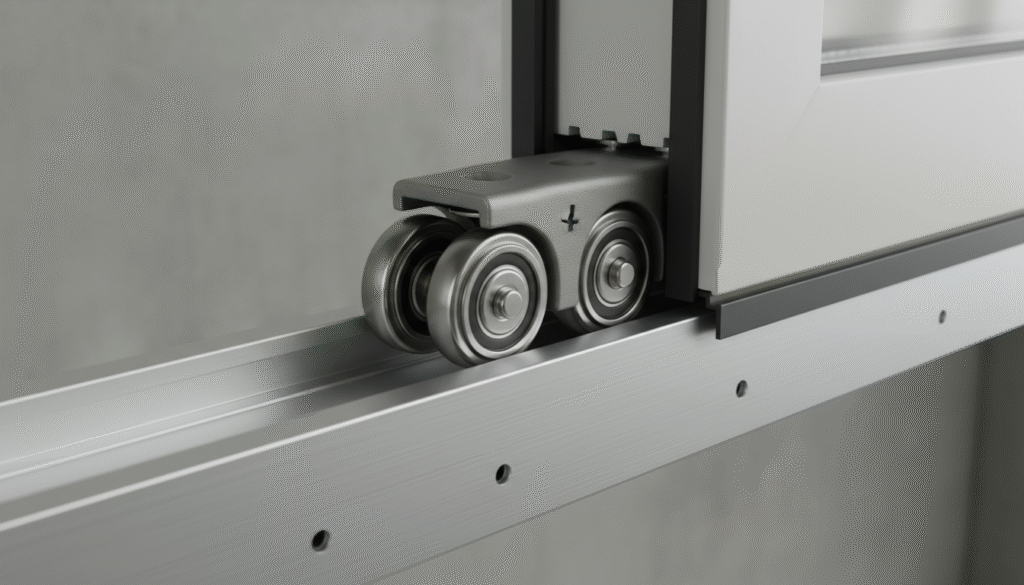
    真实铝窗滑轨滚轮系统特写 1
    aluminium sliding window system, track and roller detail

    4️⃣Key Specification Considerations for Large-Opening Sliders

    4.1 Track and roller system

    Heavy sliding panels need robust tracks and smooth rollers; for export aluminium sliders ask about load ratings, maintenance and weather resistance.
    In many suppliers’ specifications you will find details such as heavy duty “bogey rollers” designed for large-sash sliding units.

    4.2 Frame design and width

    Slim sightlines become more challenging as opening sizes grow; good sliding windows maintain structural integrity with narrow frames.
    Aluminium window factories must adopt extrusions and reinforcements suited to large spans.

    4.3 Weather-seal, drainage & durability

    Large sliders expose more surface area to wind, rain, dust; proper weather-seals, drainage channels and durable hardware are critical.
    If exporting to hot, dusty or coastal regions, make sure the sliding windows incorporate protections suited to those environments.

    4.4 Export logistics & packaging

    Large glazing units and sliding frames pose unique shipping challenges; export packaging must protect wide spans, heavy glass and fragile hardware.
    Factories like Openhaus who offer export-packaged aluminium sliders gain a competitive edge in international markets.

    5️⃣Strategy for Buyers: What to Ask and What to Watch

    • Ask your supplier for maximum sash width/height for their sliding systems.
    • Request load ratings, durability test results and hardware life cycles.
    • Check glass panel size, weight and transport readiness.
    • Make sure packaging protects the large units and allows safe shipping.
    • Evaluate aesthetic needs (narrow frames, large glass) together with structural and climate demands.

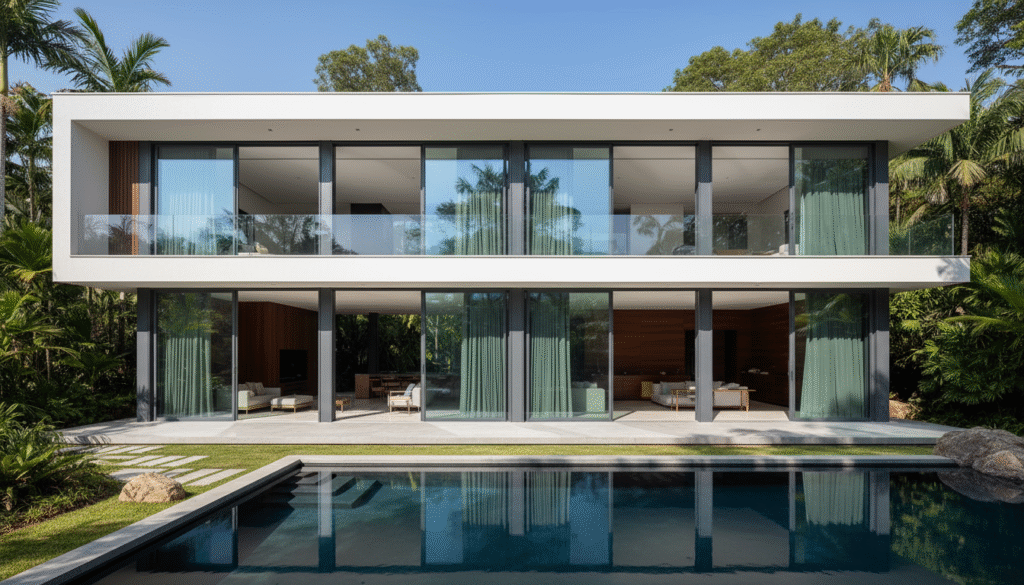
    Contemporary Villa with Sliding Aluminium Windows
    aluminium window design trend

    6️⃣ Why Choose Openhaus for Large-Opening Sliding

    With ten years’ manufacturing experience, Openhaus is well-positioned to deliver large-opening sliding aluminium windows tailored for export markets.

    We invest in heavy-duty sliding systems, large-span aluminium extrusions and export-ready packaging to meet global demands.

    Whether you are supplying luxury villas, resort developments, high-rise towers or infrastructure projects, our sliding aluminium windows deliver form, function and export logistics readiness.

    Partnering with Openhaus means you pick a supplier who understands this trend and is proactively designed for it.

    7️⃣ Conclusion

    The rise of sliding aluminium windows with large openings is more than a design fad — it reflects global architecture’s shift toward open, light-filled spaces and efficient export manufacturing.

    For buyers, specifying large-opening sliders means aligning with modern architecture and gaining competitive edge; for manufacturers it means adapting materials, systems and logistics to deliver.

    At Openhaus we are ready – large-opening sliding aluminium windows are our focus and your opportunity.

    📞 Contact Openhaus

    📧 Email: openhausliving@gmail.com

    🌐 Website: https://openhausliving.com

    🔺 YouTube: https://youtube.com/@openhausliv?si=dktMp7xiL4ubtP28

    📱 WhatsApp: +86 17623790407
  • Aluminium Windows for African Infrastructure

    Key Considerations for Specifying Windows in African Projects

    African Infrastructure Skyline
    African Infrastructure Skyline with Modern Aluminium Windows

    1️⃣ Introduction

    Africa’s infrastructure boom offers a significant opportunity for aluminium-window manufacturers and exporters.
    With rapidly increasing investments in roads, airports, hospitals and housing, the demand for durable, high-performance fenestration is rising.
    In this guide, we outline the key factors infrastructure project buyers must consider when specifying aluminium windows for African markets.
    By understanding these factors, your specification becomes more competitive, clear and suited for export-scale projects.

    2️⃣ Market Trends Affecting Aluminium Windows in Africa

    2.1 Rapid growth of aluminium in construction

    The African aluminium market was valued at USD 3.59 billion in 2023 and is projected to grow to USD 6.53 billion by 2030, at a CAGR of 8.9%.
    This growth signals increasing demand for aluminium windows, doors and other fenestration products in infrastructure projects.

    2.2 Infrastructure investment and urbanisation

    Many African countries are undertaking large infrastructure programmes: new airports, rail systems, urban housing expansions—and windows are an essential component.
    Project specifications increasingly call for materials that are lightweight, corrosion-resistant and suitable for high-volume installations.

    2.3 Export opportunities for Chinese manufacturers

    As infrastructure programmes seek cost-effective materials, Chinese aluminium window factories with export capabilities can win significant contracts.
    For a factory-direct supplier, understanding the unique conditions of African projects gives a competitive edge.

    3️⃣Key Specifying Factors for African Projects

    Aluminium Windows Installation Africa
    Aluminium Windows Installation at Construction Site

    3.1 Climate and regional conditions

    African infrastructure spans coastal, tropical, desert and inland zones—each with distinct demands for windows.
    Windows must perform under high solar radiation, humidity, sand-dust ingress or heavy rainfall depending on location.
    Therefore ask: Is the project near coast or inland? Is humidity high or is sand a major issue?

    3.2 Structural strength, size and durability

    Infrastructure buildings often use large glazing areas and high ceilings; windows may need to cover large spans, resist wind loads and maintain sealing over time.
    Specifying aluminium profiles with sufficient wall thickness, reinforcement, heavy-duty hardware and tested cycles is crucial.

    3.3 Corrosion and maintenance

    Many African sites, especially coastal or tropical zones, expose windows to salt air, humidity, or dust.
    Using durable finishes (powder-coat or anodised) and corrosion-resistant hardware will reduce maintenance and prolong lifespan.
    As an exporter, be ready to offer service documentation and spare parts support in remote regions.

    3.4 Compliance, documentation & logistics

    Large infrastructure contracts often require product certification, material traceability, export packaging and reliable logistics.
    Ensure the supplier can provide test reports, material certificates, export-ready crates and shipping coordination.
    A clear logistics plan reduces delay risk and improves your project delivery credibility.

    Coastal Climate Aluminium Windows
    corrosion resistant aluminium windows

    4️⃣ How Openhaus Meets these Project Needs

    • With ten years of aluminium-window manufacturing experience, Openhaus offers factory-direct products engineered for infrastructure applications.
    • We provide heavy-duty aluminium profiles, corrosion-resistant finishes, large size units, and export packaging suitable for African infrastructure shipments.
    • Our documentation includes test certifications, material traceability and shipment logs to support your procurement process.
    • Whether your project is a hospital, airport terminal or rail station, Openhaus can adapt windows to meet your structural, environmental and budget requirements.

    5️⃣Summary

    The African infrastructure market presents a growing opportunity for aluminium windows—but success depends on specifying correctly for climate, structure, corrosion and logistics.

    With a supplier like Openhaus who understands these challenges, you give your project the best chance for on-time, on-budget delivery and long-term performance.

    In Africa, let your windows be built for infrastructure—not just buildings.

    📞 Contact Openhaus

    📧 Email: openhausliving@gmail.com

    🌐 Website: https://openhausliving.com

    🔺 YouTube: https://youtube.com/@openhausliv?si=dktMp7xiL4ubtP28

    📱 WhatsApp: +86 17623790407
  • Energy-Saving Aluminium Windows for Hot Climates

    How Openhaus’s Design Delivers Comfort & Efficiency in Extreme Heat

    Modern Desert Villa with Aluminum Windows
    Desert Architecture + Aluminium Windows

    1️⃣ Introduction

    When you are specifying windows for climates that routinely exceed 40 °C, the material, design and installation of your aluminium windows become critical decisions.
    At Openhaus we have ten years of experience in producing aluminium windows for international markets, and we understand how hot-climate conditions influence window performance.
    In this guide you will learn how to select aluminium windows that optimise energy-efficiency, reduce internal heat gain and deliver long-term durability in hot regions.

    2️⃣ Why Hot Climates Require Special Window Consideration

    2.1 Heat-gain through windows

    In regions with intense solar radiation, windows can account for a significant proportion of cooling load if the frame and glass allow heat transfer.
    Modern aluminium window systems reduce this by using thermal break profiles and high-performance glazing.

    2.2 Material-related challenges

    Aluminium naturally has high thermal conductivity, which means without proper design the frame can transfer heat rapidly indoors.
    Therefore, selecting profiles with thermal isolation and proven performance is essential.

    2.3 Durability in hot, dusty environments

    Hot-climate sites often involve extreme heat, UV exposure, dust and sand. The window system must resist warping, fading and sealing degradation.
    Aluminium windows with robust finish and good design are well suited for these conditions.

    3️⃣Key Features for Energy-Saving Aluminium Windows

    Aluminum Window Thermal Break Cross Section
    Thermal-Break Frame Design

    3.1 Thermal-break aluminium profiles

    he most important feature for hot-climate energy performance is the thermal break — insulating material inside the aluminium profile that slows heat transfer.

    When you request aluminium windows, look for profiles explicitly labelled “thermal break” or “thermally broken”.

    Openhaus offers thermal-break aluminium window systems tailored for warm climates.

    3.2 High-performance glazing

    Glass accounts for a large part of the heat transfer through windows. Double or triple glazing with low-E coatings, inert gas fill and low U-value help minimise heat gain.

    In hot regions you may specify glazing with solar-heat-gain coefficient (SHGC) below 0.30.

    Openhaus can supply customised glazing options for your project’s climate.

    3.3 Superior sealing & installation

    Even the best materials fail if installation is poor and sealing is weak. High-quality aluminium windows must feature multi-point seals, tight frames, correct flashing and installation by experienced teams.

    At Openhaus we match factory production with clear installation instructions to ensure the field result.

    3.4 Durable finishes & hardware

    In hot-sun and sand environments finishes must resist fading, chalking and abrasion. Coatings such as powder-coat conforming to AAMA 2605 or anodised finishes are preferred.

    Hardware should be stainless steel or marine grade for longevity.

    Openhaus sources finishes and hardware specifically for hot-climate export windows.

    4️⃣How to Specify for Your Project

    • Define the climate zone: desert, coastal, urban high-rise etc. Clarify expected temperatures, solar exposure and wind.
    • Ask for the U-value, SHGC, and thermal break details of the window system.
    • Request sample units or detailed drawings for review.
    • Confirm installation method, ask about sealing, drainage, flashing, and structural anchoring.
    • Evaluate warranty, maintenance requirements and thermal performance guarantees.

    Openhaus works with international clients to provide documentation and factory support to simplify specification.

    Cool Interior with Aluminum Windows
    Comfort Indoors, Heat Outside

    5️⃣ Why Choose Openhaus for Hot-Climate Projects

    Openhaus boasts ten years of manufacturing experience, delivering aluminium windows tailored to demanding climates.

    We invest in thermal-break profile lines, high-grade glazing supply and export-packaged shipment to ensure reliability.

    Because we are a factory-direct supplier you gain cost efficiency and direct design input—no unnecessary intermediaries.

    Our hot-climate window solutions help clients keep cooling loads down, reduce maintenance and ensure longevity.

    Export Aluminum Windows at Port
    Export Packaging

    6️⃣ Conclusion

    To succeed in hot climates you must move beyond conventional window-type thinking and demand systems built for heat, solar exposure and durability.

    Energy-saving aluminium windows with thermal break, proper glazing, robust sealing and durable finishes are no longer optional—they are essential.

    By choosing Openhaus as your partner, you gain a supplier who understands these demands, delivers engineered solutions and ensures performance in challenging environments.

    Let your next project thrive in extreme heat—with aluminium windows designed for it.

    📞 Contact Openhaus

    📧 Email: openhausliving@gmail.com

    🌐 Website: https://openhausliving.com

    🔺 YouTube: https://youtube.com/@openhausliv?si=dktMp7xiL4ubtP28

    📱 WhatsApp: +86 17623790407
  • Export-Ready Packaging for Aluminium Windows

    How Openhaus Ensures Safe Transit and Zero Damage During Shipping

    aluminum cargo ship sunset
    openhaus

    1️⃣ Introduction

    When you source aluminium windows from a trusted manufacturer like Openhaus, packaging may be the difference between a flawless delivery and costly damage.
    At our factory we’ve spent ten years perfecting not only production quality but also export-ready packaging that helps your shipment arrive safely.
    In this guide we’ll walk you through how we package aluminium windows, how we protect against common transport damage, and how you as the buyer benefit from our packaging process.

    2️⃣ Why Export Packaging Matters for Aluminium Windows

    Aluminium windows contain large frames, glass panels, hardware and may travel thousands of kilometres across land and sea.

    Even high-quality products can be damaged in transit if packaging is inadequate—scratches, frame distortion, broken glass, or water ingress are all common.

    Good packaging is therefore not a luxury—it is an essential part of product quality for export aluminium windows.

    3️⃣The Packaging Process at Openhaus — Step by Step

    chinese contractor aluminum delivery

    3.1 Pre-packing inspection and cleaning

    Before any unit is packed, we inspect the aluminium window frame, glass, and hardware at our factory.

    We remove dust, fingerprints, moisture and confirm dimensions so the product goes into packaging in perfect condition.

    This ensures that any damage can be attributed to transit rather than manufacturing.

    3.2 Multi-layer protection

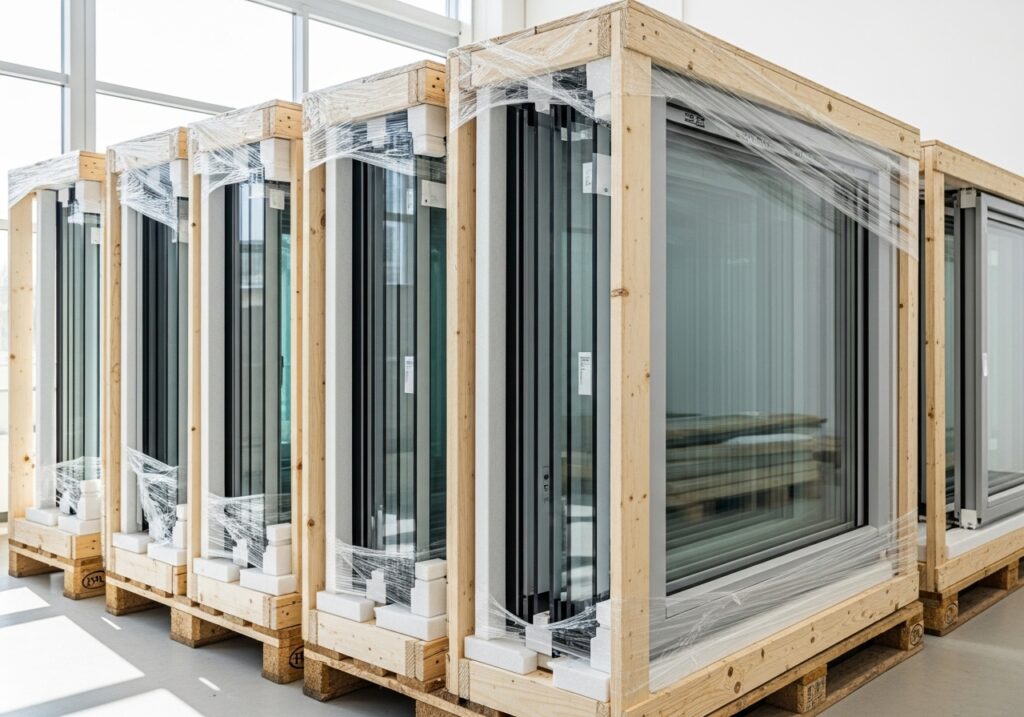
    We wrap frames in shock-absorbing film and then bubble wrap the glass panels; corners get special edge protectors.

    For example, we use expandable polyethylene foam around aluminium frames to prevent scratches or dents during handling.

    Glass panels also receive an inner protective layer to guard against moisture, impact and vibration.

    3.3 Crating and palletisation

    After wrapping, we place each unit into a solid carton or treated wooden crate depending on destination and shipment mode.

    Where sea-shipping is involved, crates are palletised, strapped securely, and blocked to avoid movement in transit.

    We also mark each package clearly with size, unit number, handling instructions and project code to ensure correct unloading.

    3.4 Moisture and environmental protection

    Because our export shipments may travel through humid, rainy or salt-air zones, we include desiccant packets and sealed film wrapping.

    Wooden crates are treated for export compliance, and we ensure no direct contact of aluminium with untreated timber to avoid corrosion.

    By guarding against moisture and salt conditions, the window units arrive installed-ready rather than requiring onsite repair.

    3.5 Loading and transport loading

    When loading containers, we ensure heavier units are placed low, fragile units on top, and cargo is braced to avoid tipping or pressure damage.

    Straps, blocking, corner blocks and floor pads help maintain stability during sea-voyage, rail or road movement.

    Openhaus also provides photos of loaded containers so you can verify packaging status ahead of shipping.

    packed aluminum windows ready transport
    openhaus

    4️⃣ What You as a Buyer Should Confirm

    • Ask the supplier (Openhaus) what packaging layers they use: film wrap, foam protection, carton/wooden crate.
    • Confirm whether the wooden crates meet export treatment standards (e.g., ISPM15) and are suitable for sea transport.
    • Inspect photos or videos of actual packaging, labelling, palletisation and crating before goods leave factory.
    • Agree on documentation: packing list, container loading list, unit numbers and handling instructions.
    • Clarify how the goods will be secured inside the container: straps, blocking, pallet floor, stacking height.
    • Ask about transit time, climate exposure, humidity control and if desiccants or sealed packing will be used.
    • By focusing on these items you reduce risk of damage and get better value from your aluminium windows.

    european family sustainable living room
    openhaus

    5️⃣ Why Trust Openhaus for Your Export Packaging

    With ten years’ experience in aluminium window manufacturing, Openhaus understands that packaging is part of our value proposition—not just production.

    We invest in packaging materials, crate design and shipping logistics so you receive units in optimal condition.

    Our transparent process means you receive photos of each stage: cleaning, wrapping, crating, loading.

    Because we operate factory-direct, you benefit from premium packaging without unnecessary middle-man mark-ups—saving cost and protecting your investment.

    When you commit to a project, you want windows that arrive ready to install—not units requiring repair or replacement.

    6️⃣ Conclusion

    Effective export packaging for aluminium windows is not optional—it’s essential for safe delivery and project success.

    By choosing a supplier like Openhaus who pairs manufacturing quality with robust packaging and logistics, you increase your confidence and reduce risk.

    When your aluminium windows arrive intact, on time and ready to install, your project stays on schedule and your reputation is protected.

    Whether you’re specifying for residential, commercial or engineering applications, always ask: how is the product packaged?

    Let Openhaus be your trusted partner in export-ready aluminium windows and experience the difference that quality packaging makes.

    📞 Contact Openhaus

    📧 Email: openhausliving@gmail.com

    🌐 Website: https://openhausliving.com

    🔺 YouTube: https://youtube.com/@openhausliv?si=dktMp7xiL4ubtP28

    📱 WhatsApp: +86 17623790407
  • Selecting Aluminum Windows for Middle East Projects

    How to Choose Energy-Saving, Wind-Resistant and Corrosion-Proof Aluminum Windows for Hot Desert Climates

    middle east aluminum windows
    openhaus door&window

    When you are planning a construction or renovation project in the Middle East region, selecting the right aluminium window system becomes a pivotal decision.
    At Openhaus, a Chinese aluminium-window manufacturer with ten years of manufacturing experience, we understand how harsh climate, wind loads and salt air influence window performance.
    In this guide we will walk you through the factors you must consider when choosing aluminium windows for Middle East projects: energy efficiency, wind resistance, and corrosion protection.
    By understanding these three performance pillars, you will be able to specify a window system that is truly suited to desert climates, coastal zones and high-rise developments.

    1. Climate Challenges in the Middle East

    1.1. Extreme heat and solar radiation

    • Summer temperatures in many parts of the Gulf routinely exceed 45 °C, making heat gain through windows one of the major contributors to cooling loads.
    • According to recent research, windows oriented east or west can consume about 41 % more cooling energy than north-facing ones in UAE buildings.
    • Thus the window’s insulation properties and glazing system become critical to energy-saving performance.

    1.2 Strong wind loads and sandstorms

    • Coastal and desert zones in the Middle East are exposed to sandstorms, gusty winds and high cyclic loading; windows must withstand these wind loads without deformation or leakage.
    • For high-rise buildings especially, wind resistance ratings and structural frame robustness are essential.

    1.3 Corrosion from salt, humidity and dust

    • In coastal cities and humid zones the combination of salty air, humidity and aluminium surfaces creates risk of oxidation, fading or corrosion unless proper protective treatments are used.
    • Similarly inland in desert zones, aggressive UV radiation, fine sand and extreme thermal cycling also degrade ordinary finishes rapidly.

    2. Key Selection Criteria

    2.1. Thermal-break aluminium profiles

    • The first performance criterion in desert or Gulf climates is to choose aluminium profiles with a thermal break (polyamide or other insulating material) so as to interrupt heat transfer.
    • Without a thermal break, aluminium acts as a metal conductor, allowing exterior heat to pass indoors and increasing cooling load.
    • We recommend U-value targets of ≤3.0 W/(m²·K) or better for windows in this region.

    2.2. High performance glazing

    • Double or triple glazing with Low-E coatings and inert gas fill (argon) reduces solar heat gain and improves insulation—essential in high-temperature zones.
    • For wind- and sand-exposed façades, laminated tempered glass adds impact resistance and reduces damage from flying debris.

    2.3 Robust sealing & drainage

    • High quality EPDM gaskets, multi-point locks, and dedicated drainage channels are required to keep out dust, sand and moisture.
    • Especially where sand is frequent, a hidden drainage filter and sealed perimeter help prolong the frame life.

    2.4 Corrosion-resistant coatings and materials

    • Powder-coated aluminium with AAMA 2605 specification, or anodised finishes for coastal zones, help resist fading, chalking and salt corrosion.
    • Hardware (hinges, locks) should preferably be stainless steel (304/316) not just plated zinc, to cope with salty air.

    2.5 Wind-load certification & structural strength

    • In many Gulf countries and high‐rise developments, windows must pass wind-load tests and structural deflection limits; verify that your supplier can provide certified results.
    • Wall thickness of profiles, reinforcement, anchoring method and interlock systems must all be considered.

    3.Regional Adaptation Tips

    complete aluminum window product

    3.1. Coastal villas and resorts

    • For seaside or island developments, prioritise salt-spray resistance: anodised aluminum, 316-grade hardware, enhanced sealing and drainage.
    • Colours should avoid light pastel that fade quickly; choose darker or metallic finishes for longevity.

    3.2 Desert interior developments

    • In desert environments, heat, UV and fine sand dominate. Profiles need strong powder‐coated finishes, sanding resistance, and optimal glazing to reduce thermal gain.
    • Wind-resistant casements or inward-tilt types may outperform sliding systems for durability and sealing.

    3.3 High-rise urban towers

    • In tall urban buildings, noise reduction, tight seals and fire/safety compliance are additional concerns beyond climate.
    • Slim-frame aluminium systems that allow large glazing areas help optimise views while maintaining performance.

    4.Why Choose Openhaus for Your Middle East Project

    international cooperation aluminum doors

    • With ten years of manufacturing experience, Openhaus offers factory-direct aluminium window systems tailored for Middle East climates.
    • We source profiles with thermal break, offer glazing combinations for high heat and sand, and apply corrosion-resistant finishes for coastal projects.
    • Our production lines allow customised sizes, colours, hardware options and deliver at competitive pricing without middle-man mark-ups.
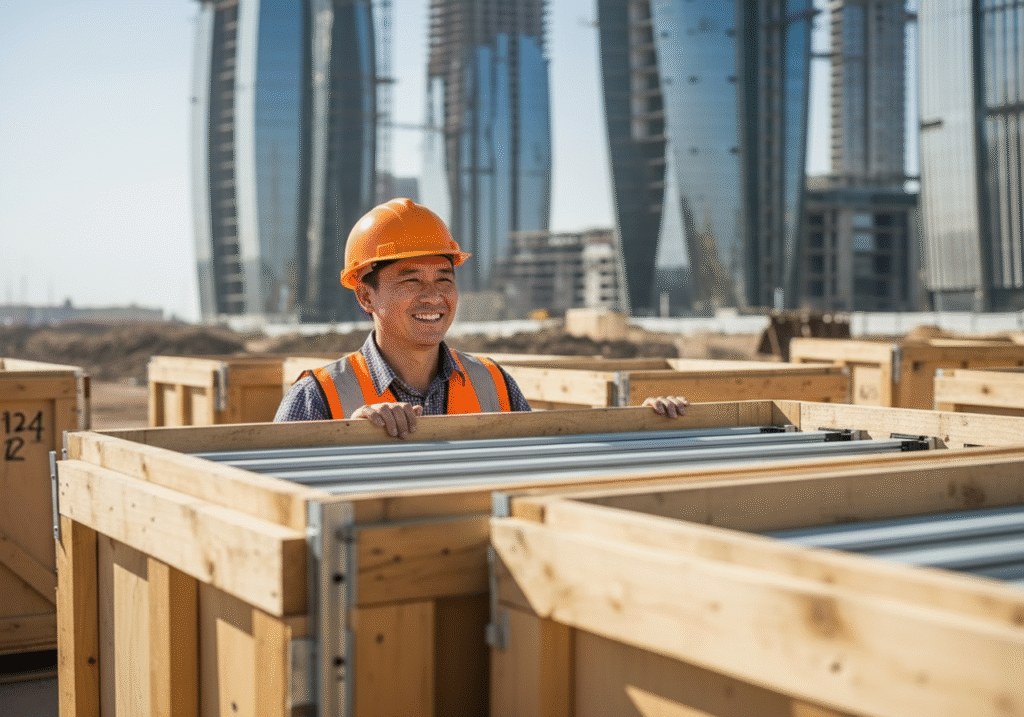
    • We stand behind our product with quality control, documentation and export experience for buyers in the Middle East, Central Asia and Africa.

    Summary

    In harsh Middle East climates, selecting aluminium windows simply based on aesthetics or cost is risky.

    You must evaluate energy-saving (thermal break & glazing), wind-resistant structure (certification & frame strength) and corrosion-proof materials (finish & hardware) together.

    When you partner with a manufacturer like Openhaus that understands these performance pillars, you minimise risk and maximise the lifespan and value of your window system.

    For any Middle East project—villa, resort or tower—these selection guidelines will help you get it right first time.

    📞 Contact Openhaus

    📧 Email: openhausliving@gmail.com

    🌐 Website: https://openhausliving.com

    🔺 YouTube: https://youtube.com/@openhausliv?si=dktMp7xiL4ubtP28

    📱 WhatsApp: +86 17623790407
  • What Is Thermal Break Aluminum

    What Is Thermal Break Aluminum and Why It’s the Future of Windows and Doors

    Thermal Break Aluminum Window Profile Cross section
    Thermal Break Aluminum

    In modern architecture, energy efficiency is no longer optional—it’s a standard. From high-rise offices to private homes, thermal break aluminum windows and doors have become the go-to choice for architects and developers. But what exactly makes them so special? And how can you tell if you’re buying the right product?

    1.What Is Thermal Break Aluminum?

    “Thermal break” literally means a barrier that stops heat transfer.

    In thermal break aluminum profiles, a non-metallic material (usually polyamide or PVC) separates the inner and outer aluminum layers.

    This design effectively reduces thermal conductivity and prevents condensation—keeping interiors warm in winter and cool in summer.

    2.Why Thermal Break Aluminum Is Superior

    Window Material Comparison Infographic
    FeatureThermal Break AluminumOrdinary AluminumuPVC / Plastic Steel
    Heat Insulation★★★★★ Excellent★★ Poor★★★ Moderate
    Strength★★★★★★★★★★★
    Durability★★★★★★★★★★★★
    Aesthetics★★★★★★★★★★★
    Recyclability100%100%0%

    3. The Science Behind the “Bridge Break”

    • Aluminum is an excellent conductor of heat.
    • By adding an insulating strip, the “thermal bridge” is broken.
    • This means less indoor heat escapes in winter, and outdoor heat can’t easily enter in summer.

    Result: up to 40–60% improvement in insulation compared to regular aluminum windows.

    4.Key Components You Should Check Before Buying

    ① Insulation Strip

    Must use PA66 nylon certified by ISO standards—cheap replacements will degrade fast.

    ② Hardware Fittings

    Handles, hinges, locks—prefer German or top-tier local brands with anti-rust coating.

    ③ Glass Structure

    Use double or triple glazing with argon gas for best sound and heat insulation.

    ④ Sealing & Gaskets

    EPDM or silicone seals prevent wind and water leakage.

    ⑤ Profile Thickness

    Minimum wall thickness should be ≥1.6mm for exterior windows.

    5. How to Choose the Right Supplier

    Ask for Profile Certificates (CE, ISO9001, or EN standards)

    🔍 Check Factory Production Line Videos

    📏 Request Sample Corner Cuts

    🧾 Compare Total Cost, Not Unit Price

    6.Environmental and Energy Benefits

    • Thermal-break aluminum can reduce building energy consumption by 25–30%
    • 100% Recyclable and Reusable
    • Reduces carbon emissions and aligns with green building trends in Europe and Central Asia.

    Conclusion

    Buying thermal break aluminum windows isn’t about spending more—it’s about saving more in the long run. They lower your heating and cooling bills, boost property value, and ensure long-term performance.

    Looking for certified thermal break aluminum windows for your next project?
    👉 Contact us today for factory-direct prices and customized solutions.

    📞 Contact Openhaus

    📧 Email: openhausliving@gmail.com

    🌐 Website: https://openhausliving.com

    🔺 YouTube: https://youtube.com/@openhausliv?si=dktMp7xiL4ubtP28

    📱 WhatsApp: +86 17623790407
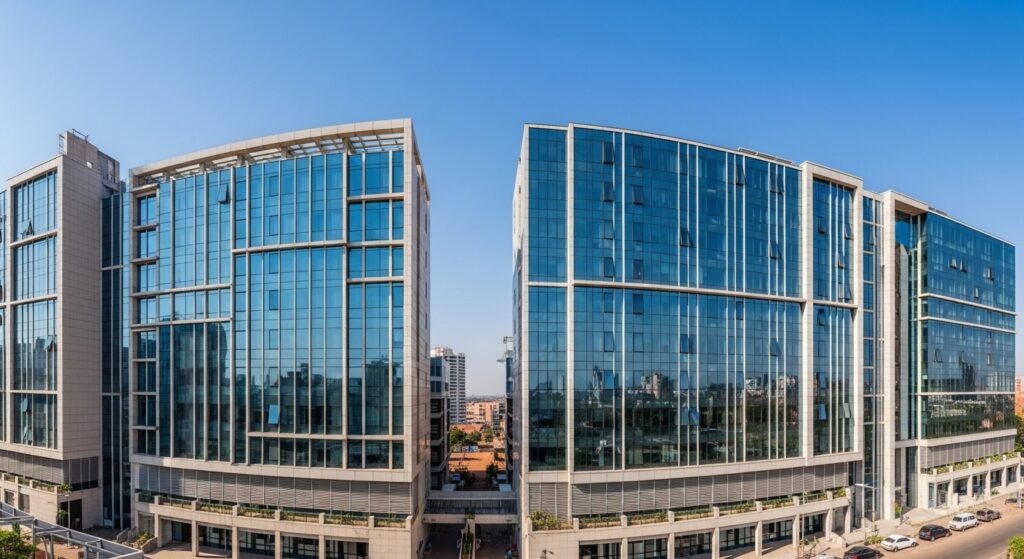
  • How Aluminum Windows Differ from Others

    Aluminum vs. uPVC vs. Wooden Windows: Which One Fits Your Building Best?

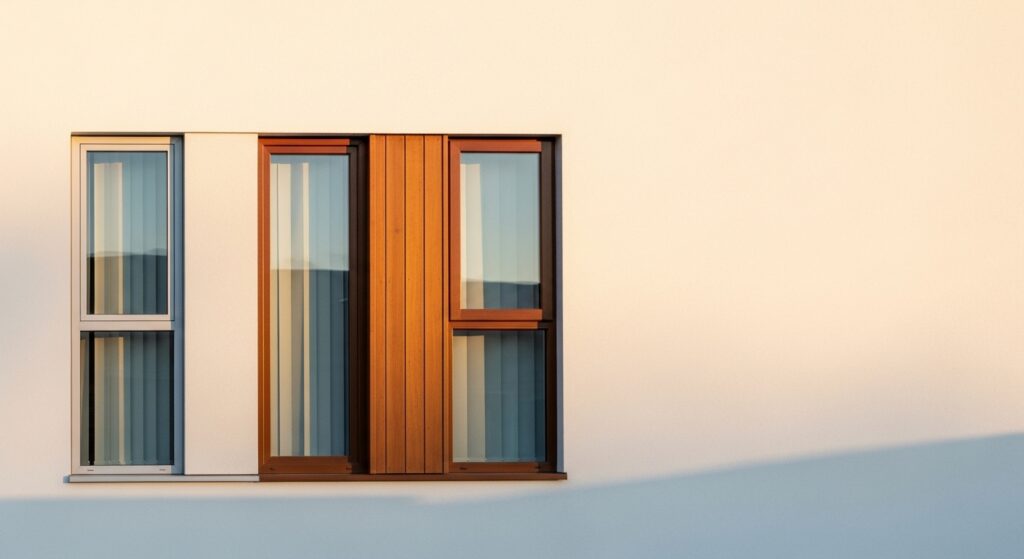
    modern house window material comparison

    Introduction

    When choosing windows for a new build or renovation, most homeowners and contractors face the same dilemma: aluminum, uPVC, or wood?
    Each material has its own charm, but only one truly meets the demands of modern architecture—balancing aesthetics, durability, and energy efficiency.

    1. Material Strength and Durability

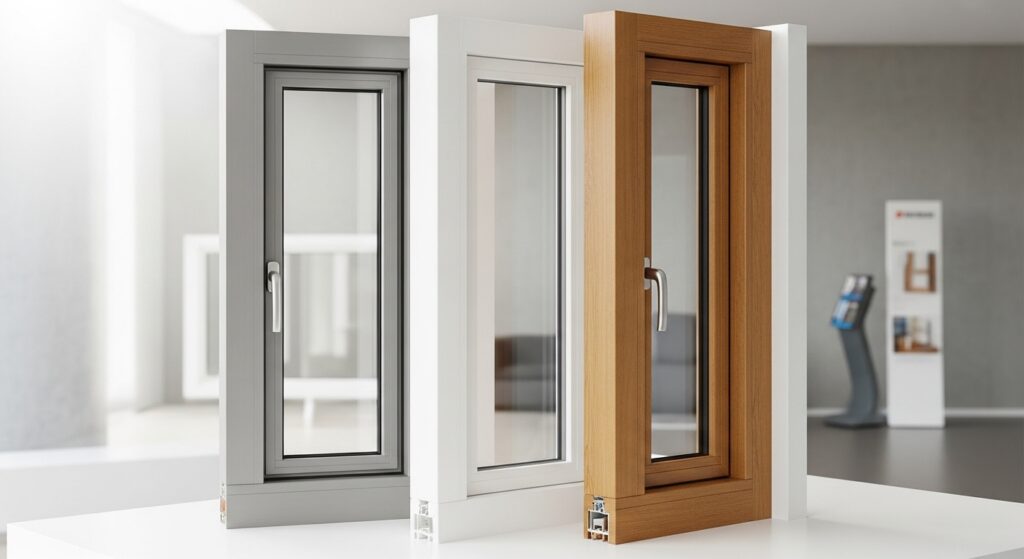
    three window types showroom
    Material Comparison Overview

    Aluminum:
    ✔ High tensile strength, resists warping and cracking.
    ✔ Excellent in extreme climates.
    ✔ Lifespan: 40–50 years with minimal maintenance.

    uPVC:
    ⚙ Resistant to corrosion but prone to deformation under heat.
    ⚙ Lifespan: around 20–25 years.

    Wood:
    🌲 Naturally strong but vulnerable to moisture and termites.
    🌲 Requires frequent painting and sealing.

    🪶 Conclusion: Aluminum offers unmatched structural stability—ideal for tall buildings and regions with temperature fluctuations.

    2. Thermal and Energy Efficiency

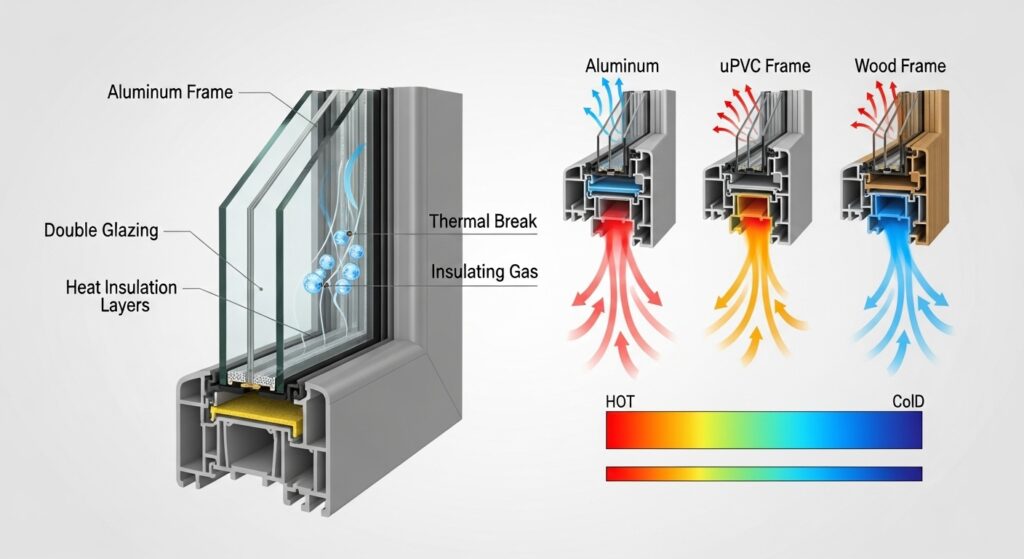
    window thermal break comparison
    Thermal & Energy Efficiency

    Aluminum:

    • When paired with thermal breaks and double glazing, performs excellently in heat insulation.
    • Reflects sunlight effectively, reducing cooling costs.

    uPVC:

    • Naturally insulating material, but performance declines over time as seals degrade.

    Wood:

    Excellent insulator but susceptible to swelling from humidity, reducing airtightness.

    💡 Pro Tip: For best results, choose aluminum windows with a polyamide thermal barrier.

    3.Aesthetic Flexibility

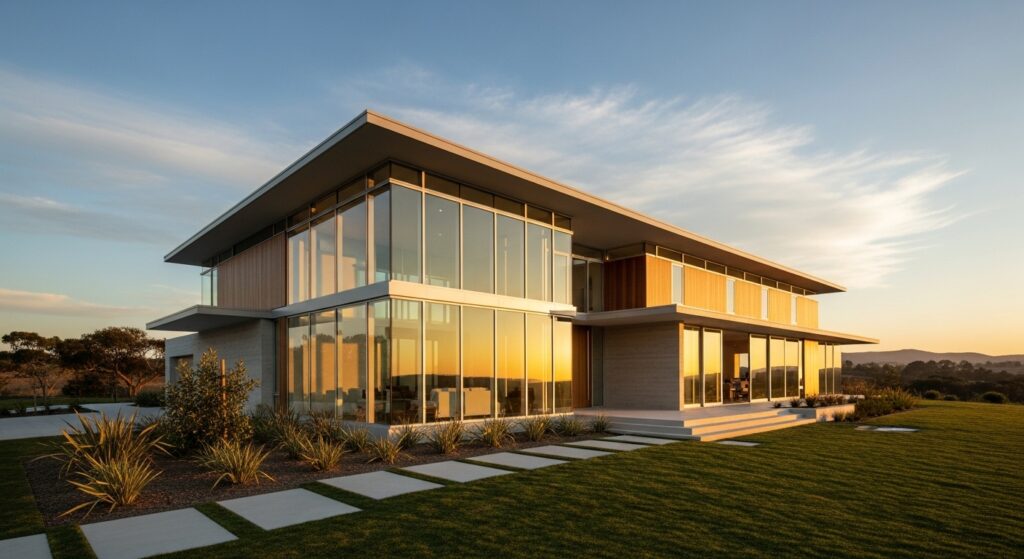
    modern house aluminum windows sunset
    Aesthetic & Architectural Style

    Aluminum:

    • Available in hundreds of finishes—powder-coated, anodized, or wood-grain textures.
    • Slim frames allow larger glass areas, giving a modern, minimalist look.

    uPVC:

    • Limited color range, often white or beige.
    • Cannot achieve ultra-slim profiles.

    Wood:

    • Natural beauty, warm tone—but needs regular maintenance to retain appearance.

    🎯 Verdict: Aluminum offers the most design freedom for architects and homeowners who value clean, modern aesthetics.

    4.Maintenance and Longevity

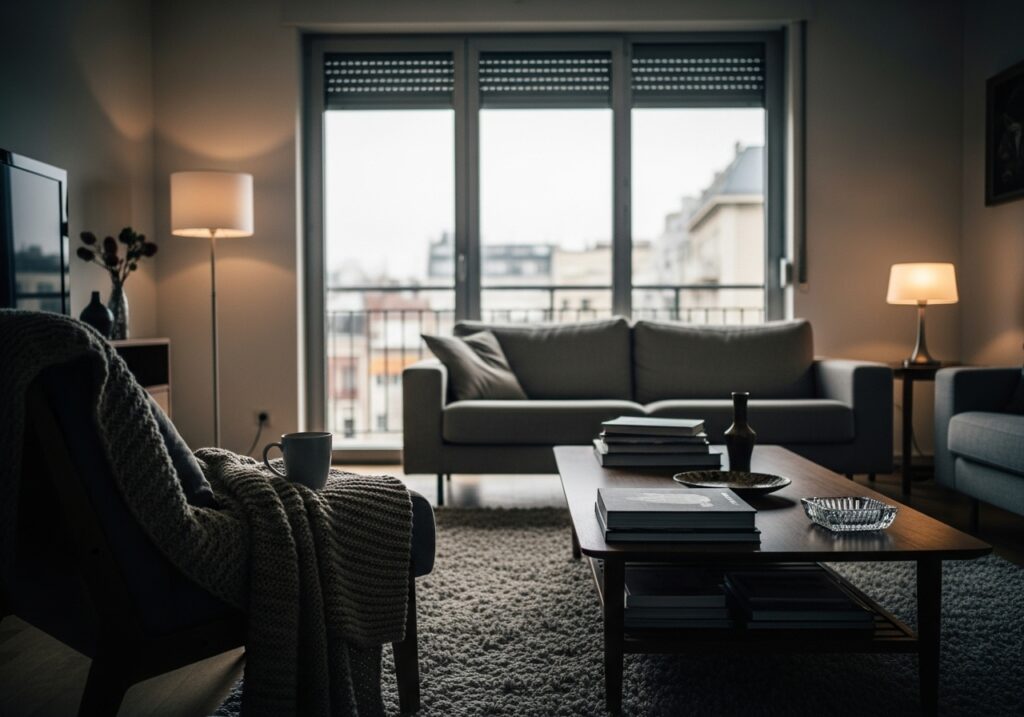
    cozy living room soundproof windows
    Soundproof & Comfort

    Aluminum:

    • Corrosion-resistant and requires only periodic cleaning.
    • Powder coating lasts decades.

    uPVC:

    • Easy to clean, but can discolor over time.

    Wood:

    Requires varnish or paint every 2–3 years.

    🧽 Tip: Aluminum’s low-maintenance nature saves significant long-term costs.

    5.Soundproofing and Comfort

    Paired with double or triple glazing, all materials can reduce noise—but aluminum frames with rubber seals and precision fittings achieve superior results.

    🎧 Fact: Properly sealed aluminum windows can block up to 40–50 dB of outside noise.

    6.Environmental Impact

    Aluminum: 100% recyclable, with minimal degradation.

    uPVC: Difficult to recycle, generates toxic residues when burned.

    Wood: Renewable resource, but deforestation remains a concern.

    🌱 Verdict: Aluminum strikes the best balance between performance and eco-responsibility.

    🏁 Final Verdict: Why Aluminum Wins

    FeatureAluminumuPVCWood
    Strength⭐⭐⭐⭐⭐⭐⭐⭐⭐
    Lifespan⭐⭐⭐⭐⭐⭐⭐⭐
    Aesthetics⭐⭐⭐⭐⭐⭐⭐⭐⭐
    Energy Efficiency⭐⭐⭐⭐⭐⭐⭐⭐⭐⭐
    Maintenance⭐⭐⭐⭐⭐⭐⭐
    Eco-Friendliness⭐⭐⭐⭐⭐⭐⭐

    🏆 Aluminum windows are the smart, sustainable, and stylish choice for both modern homes and commercial buildings.

    Call to Action

    Looking to upgrade your windows?
    👉 Explore our premium aluminum window collection designed for both performance and elegance.

    📞 Contact Openhaus

    📧 Email: openhausliving@gmail.com

    🌐 Website: https://openhausliving.com

    🔺 YouTube: https://youtube.com/@openhausliv?si=dktMp7xiL4ubtP28

    📱 WhatsApp: +86 17623790407
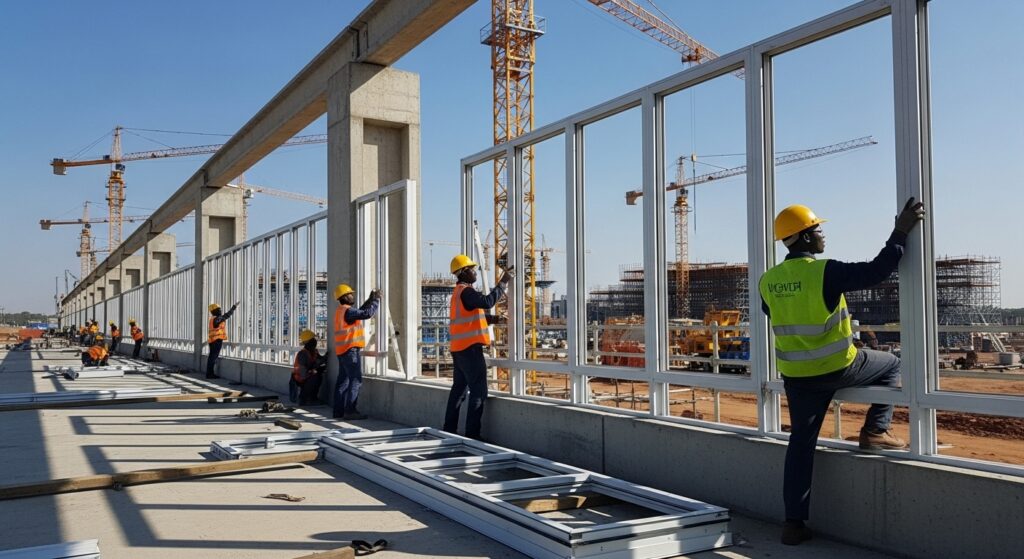
  • Details Buyers Often Overlook

    6 Hidden Details Buyers Often Overlook When Purchasing Aluminum Windows and Doors

    🏗️ Introduction

    When purchasing aluminum windows and doors, most buyers focus on price and appearance. However, the true value lies in the details you can’t see at first glance.
    These hidden elements determine whether your windows stay airtight, energy-efficient, and durable for years — especially in regions with extreme temperatures like Central Asia and Eastern Europe.

    ⚙️ 1️⃣ High-Quality Hardware

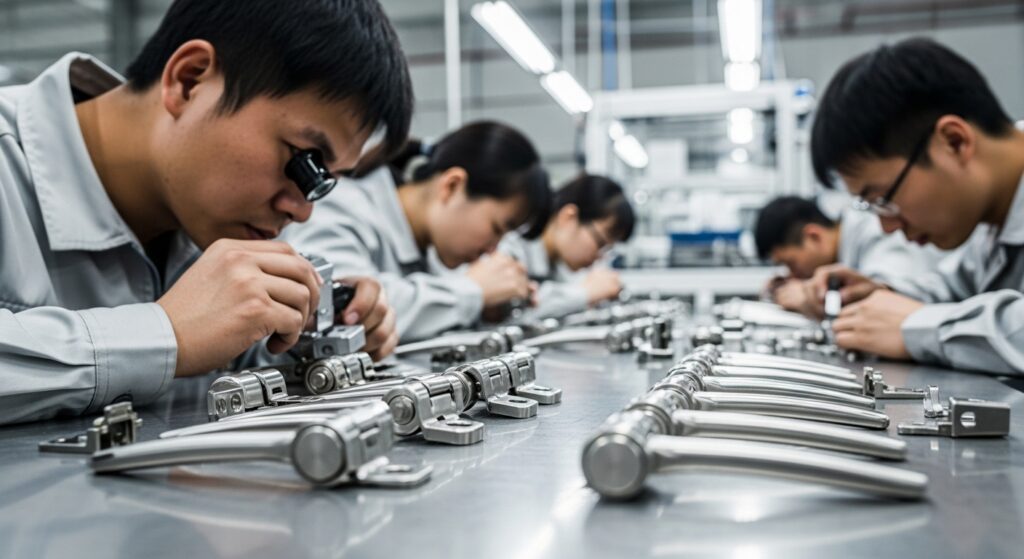
    aluminum window factory workers
    Factory Hardware Quality Check

    Why it matters: Hardware like hinges, handles, and locks bear the daily stress of use. Inferior metal or plastic can quickly deform or rust, compromising safety.

    Tip: Look for hardware made of stainless steel or zinc alloy, tested for 50,000+ open-close cycles.

    🧼 2️⃣ Proper Sealing and Gaskets

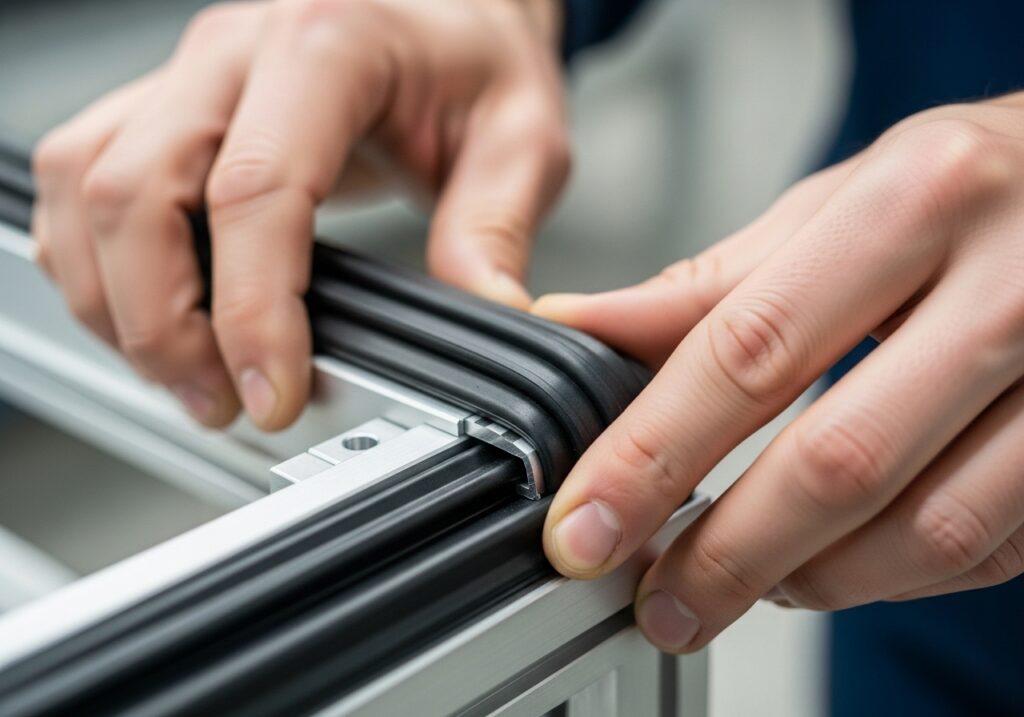
    worker testing epdm seal
    Sealing and Gasket Inspection

    Why it matters: The sealant system determines air and water tightness. Poor sealing can lead to drafts, noise, and energy loss.

    Tip: Ensure EPDM or silicone rubber gaskets are used — both maintain flexibility in hot and cold climates.

    🌡️ 3️⃣ Thermal Break Technology

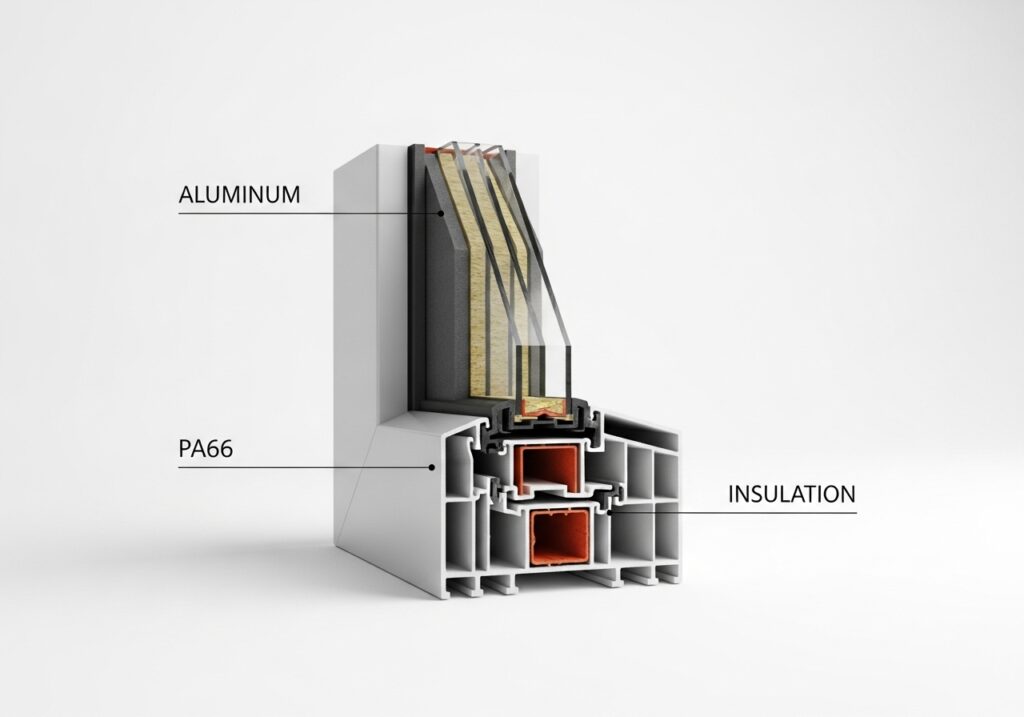
    aluminum window frame thermal break
    Thermal Break Cross-Section Visualization

    Why it matters: The thermal break inside the aluminum frame prevents heat transfer. Without it, indoor temperatures fluctuate drastically.

    Tip: Check for polyamide (PA66) thermal barriers — these can reduce energy loss by up to 40%.

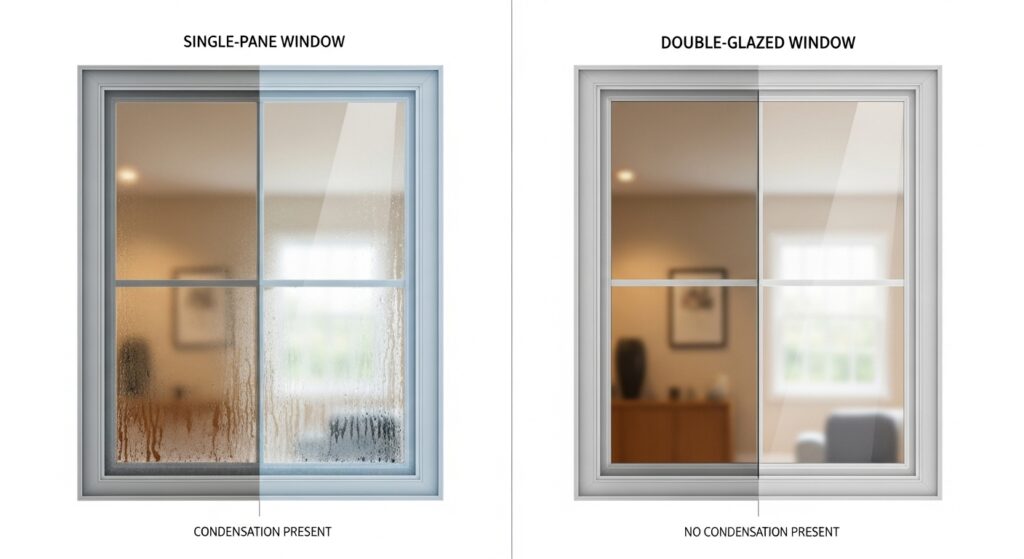
    🪟 4️⃣ Glass Composition and Thickness

    single vs double glazed comparison
    Glass Layer Performance Comparison

    Why it matters: Glass takes up over 80% of a window’s surface. Using single-layer glass can cause condensation, noise, and heat loss.

    Tip: Choose double-glazed or Low-E glass for better soundproofing and insulation.

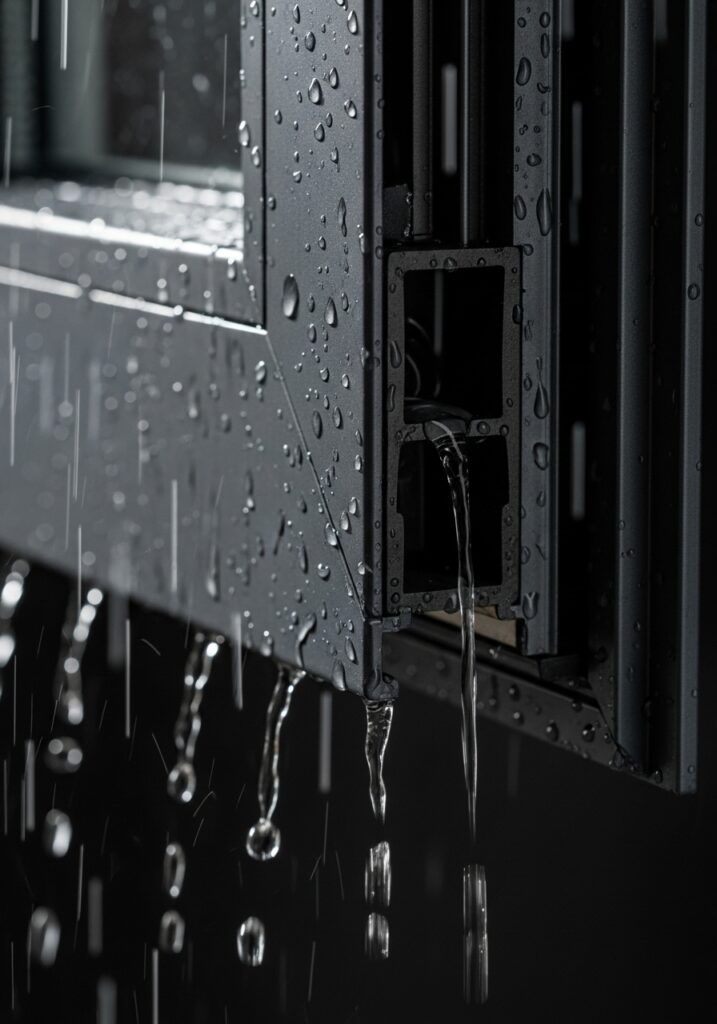
    🧭 5️⃣ Drainage and Ventilation Design

    Why it matters: Hidden drainage channels prevent rainwater accumulation and frame corrosion — an overlooked but vital factor for long lifespan.

    Tip: Check if your window frame has concealed drainage holes and a multi-chamber structure.

    aluminum window rain simulation
    Drainage & Surface Coating

    🔩 6️⃣ Surface Treatment and Coating

    Why it matters: The outer coating protects against oxidation, UV, and corrosion. A poor finish fades or peels quickly under harsh climates.

    🧠 Conclusion

    A beautiful window isn’t just about the view — it’s about comfort, safety, and durability behind the frame.
    By checking these six details before purchasing, you’ll ensure that your investment lasts for decades, saving you future maintenance costs.

    📞 Contact Openhaus

    📧 Email: openhausliving@gmail.com

    🌐 Website: https://openhausliving.com

    🔺 YouTube: https://youtube.com/@openhausliv?si=dktMp7xiL4ubtP28

    📱 WhatsApp: +86 17623790407