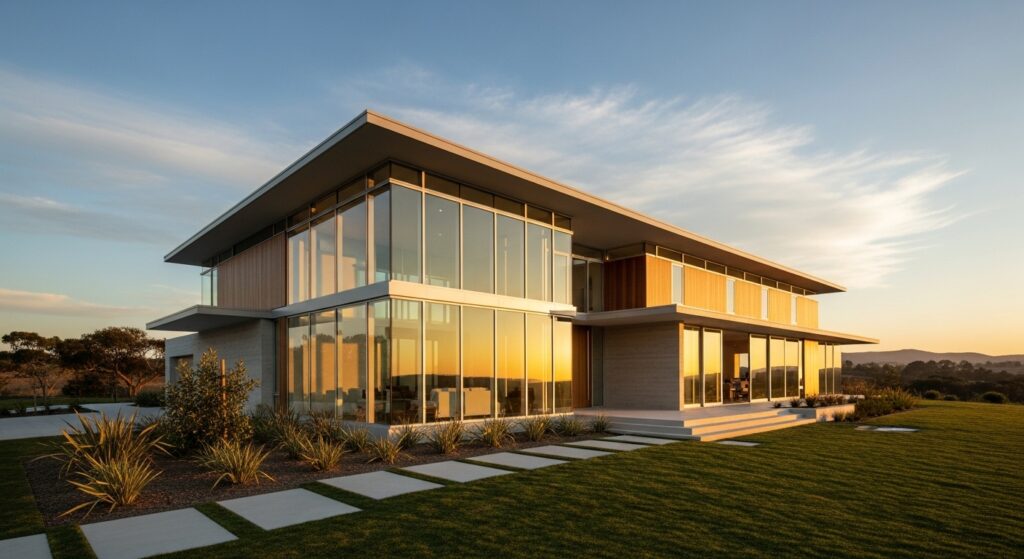
标签: Buying Guide

  • Energy-Saving Aluminium Windows for Hot Climates

    How Openhaus’s Design Delivers Comfort & Efficiency in Extreme Heat
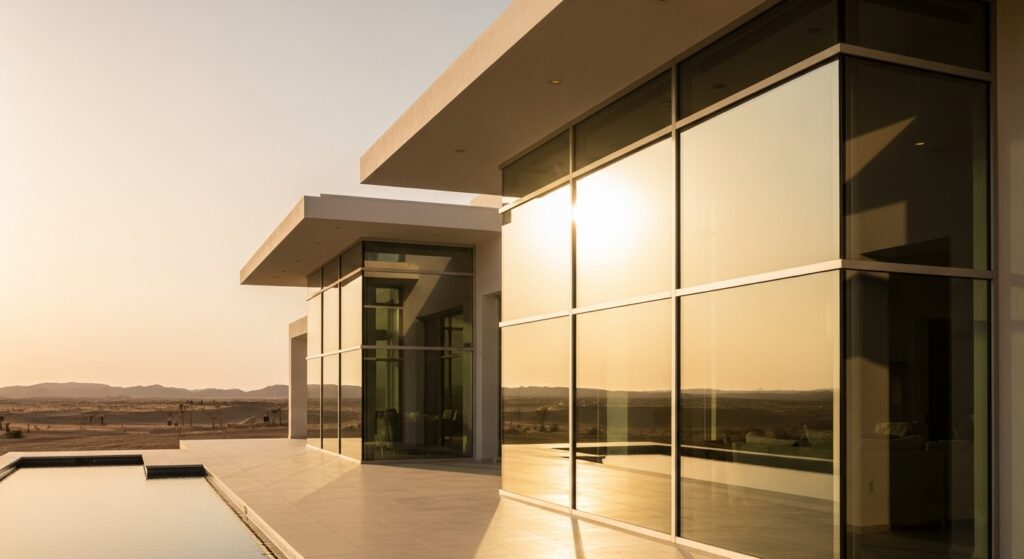
    Modern Desert Villa with Aluminum Windows
    Desert Architecture + Aluminium Windows

    1️⃣ Introduction

    When you are specifying windows for climates that routinely exceed 40 °C, the material, design and installation of your aluminium windows become critical decisions.
    At Openhaus we have ten years of experience in producing aluminium windows for international markets, and we understand how hot-climate conditions influence window performance.
    In this guide you will learn how to select aluminium windows that optimise energy-efficiency, reduce internal heat gain and deliver long-term durability in hot regions.

    2️⃣ Why Hot Climates Require Special Window Consideration

    2.1 Heat-gain through windows

    In regions with intense solar radiation, windows can account for a significant proportion of cooling load if the frame and glass allow heat transfer.
    Modern aluminium window systems reduce this by using thermal break profiles and high-performance glazing.

    2.2 Material-related challenges

    Aluminium naturally has high thermal conductivity, which means without proper design the frame can transfer heat rapidly indoors.
    Therefore, selecting profiles with thermal isolation and proven performance is essential.

    2.3 Durability in hot, dusty environments

    Hot-climate sites often involve extreme heat, UV exposure, dust and sand. The window system must resist warping, fading and sealing degradation.
    Aluminium windows with robust finish and good design are well suited for these conditions.

    3️⃣Key Features for Energy-Saving Aluminium Windows
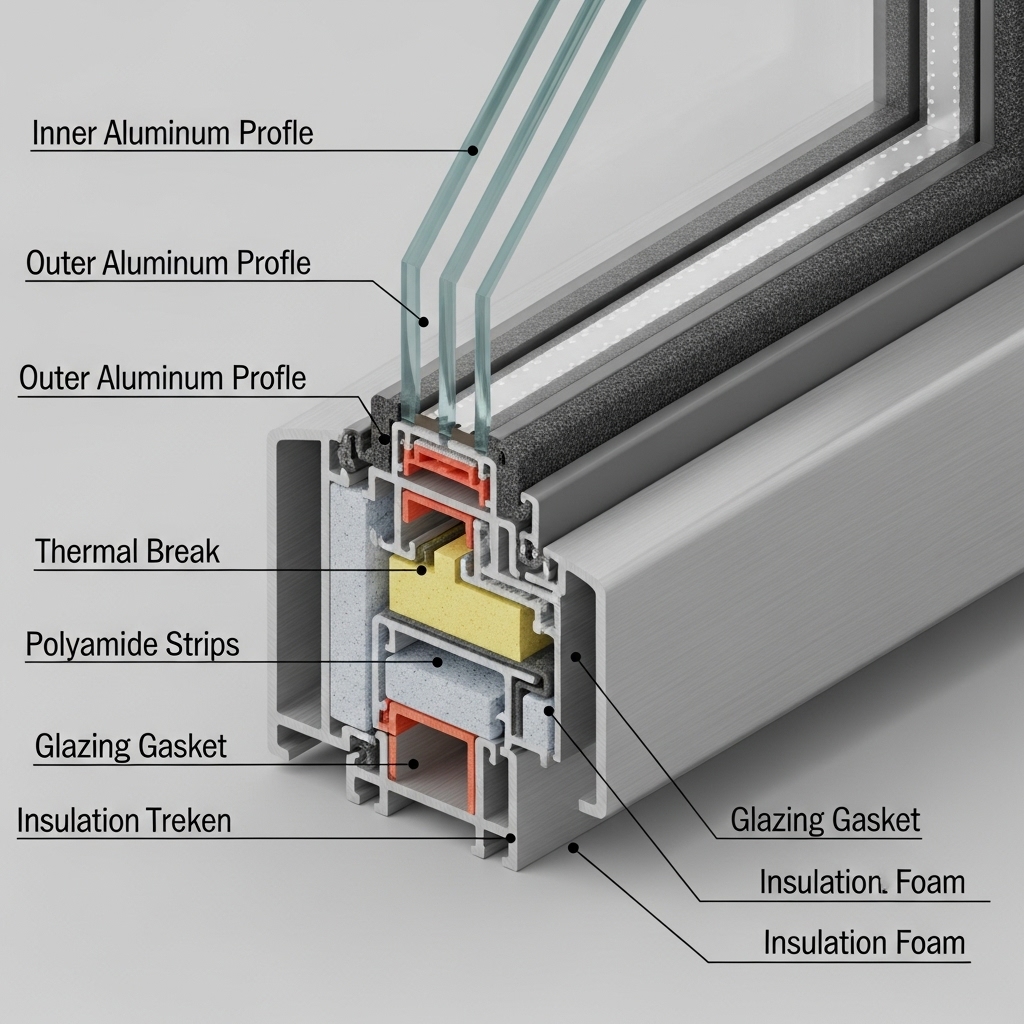
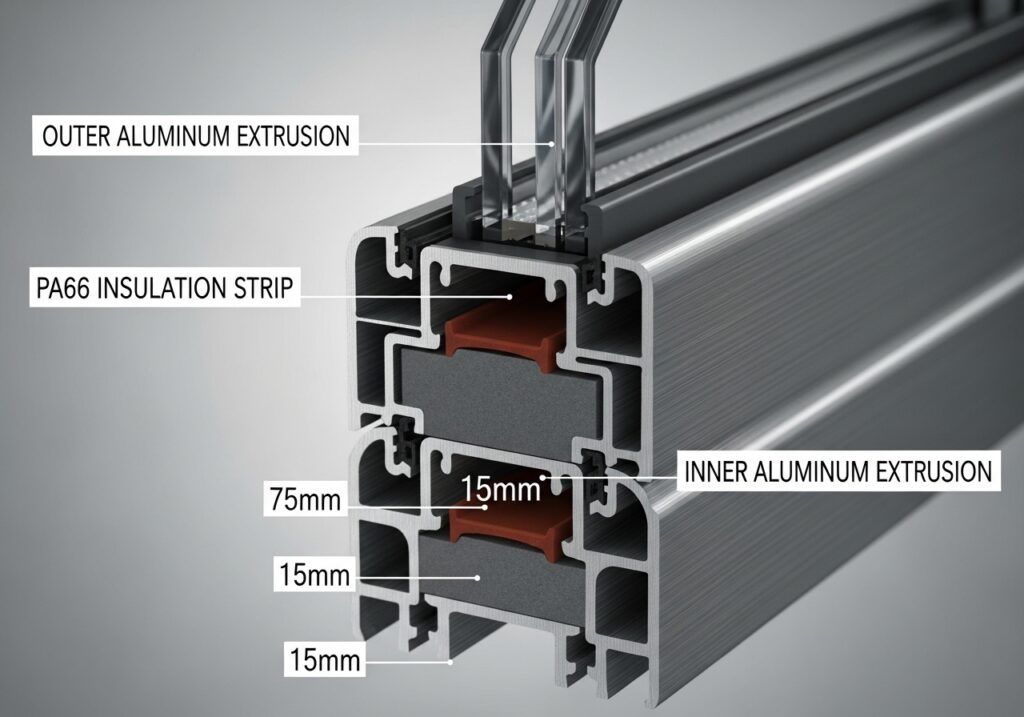
    Aluminum Window Thermal Break Cross Section
    Thermal-Break Frame Design

    3.1 Thermal-break aluminium profiles

    he most important feature for hot-climate energy performance is the thermal break — insulating material inside the aluminium profile that slows heat transfer.

    When you request aluminium windows, look for profiles explicitly labelled “thermal break” or “thermally broken”.

    Openhaus offers thermal-break aluminium window systems tailored for warm climates.

    3.2 High-performance glazing

    Glass accounts for a large part of the heat transfer through windows. Double or triple glazing with low-E coatings, inert gas fill and low U-value help minimise heat gain.

    In hot regions you may specify glazing with solar-heat-gain coefficient (SHGC) below 0.30.

    Openhaus can supply customised glazing options for your project’s climate.

    3.3 Superior sealing & installation

    Even the best materials fail if installation is poor and sealing is weak. High-quality aluminium windows must feature multi-point seals, tight frames, correct flashing and installation by experienced teams.

    At Openhaus we match factory production with clear installation instructions to ensure the field result.

    3.4 Durable finishes & hardware

    In hot-sun and sand environments finishes must resist fading, chalking and abrasion. Coatings such as powder-coat conforming to AAMA 2605 or anodised finishes are preferred.

    Hardware should be stainless steel or marine grade for longevity.

    Openhaus sources finishes and hardware specifically for hot-climate export windows.

    4️⃣How to Specify for Your Project

    • Define the climate zone: desert, coastal, urban high-rise etc. Clarify expected temperatures, solar exposure and wind.
    • Ask for the U-value, SHGC, and thermal break details of the window system.
    • Request sample units or detailed drawings for review.
    • Confirm installation method, ask about sealing, drainage, flashing, and structural anchoring.
    • Evaluate warranty, maintenance requirements and thermal performance guarantees.

    Openhaus works with international clients to provide documentation and factory support to simplify specification.
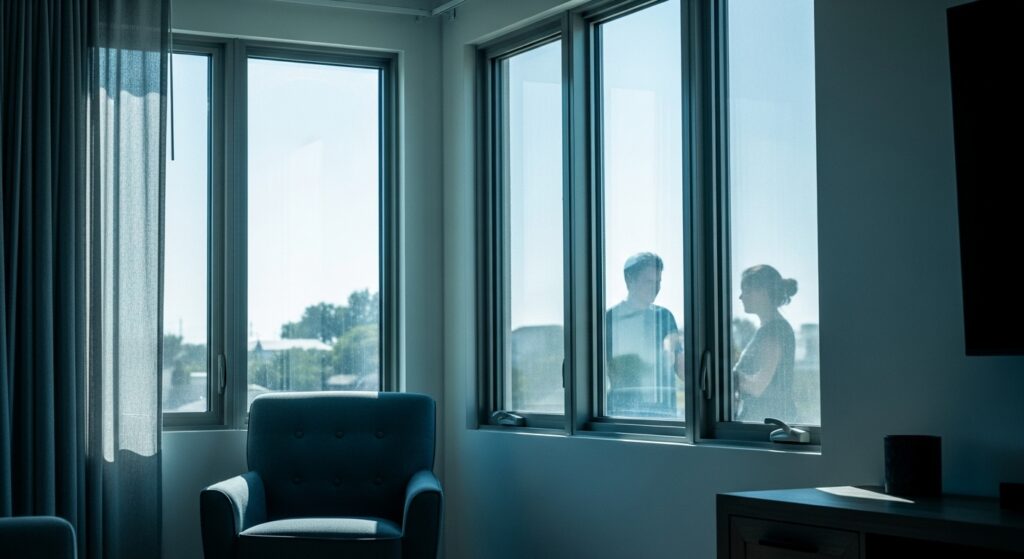
    Cool Interior with Aluminum Windows
    Comfort Indoors, Heat Outside

    5️⃣ Why Choose Openhaus for Hot-Climate Projects

    Openhaus boasts ten years of manufacturing experience, delivering aluminium windows tailored to demanding climates.

    We invest in thermal-break profile lines, high-grade glazing supply and export-packaged shipment to ensure reliability.

    Because we are a factory-direct supplier you gain cost efficiency and direct design input—no unnecessary intermediaries.

    Our hot-climate window solutions help clients keep cooling loads down, reduce maintenance and ensure longevity.
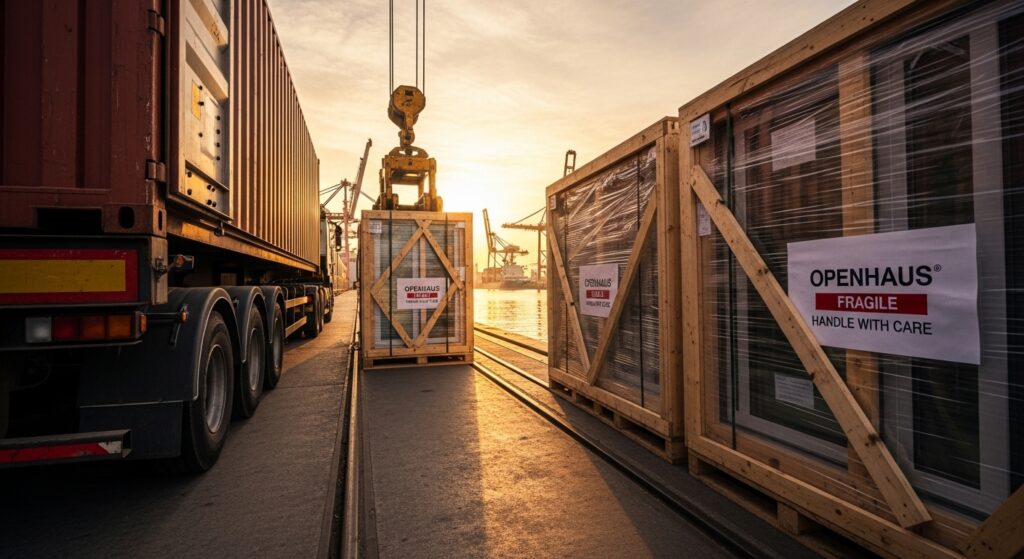
    Export Aluminum Windows at Port
    Export Packaging

    6️⃣ Conclusion

    To succeed in hot climates you must move beyond conventional window-type thinking and demand systems built for heat, solar exposure and durability.

    Energy-saving aluminium windows with thermal break, proper glazing, robust sealing and durable finishes are no longer optional—they are essential.

    By choosing Openhaus as your partner, you gain a supplier who understands these demands, delivers engineered solutions and ensures performance in challenging environments.

    Let your next project thrive in extreme heat—with aluminium windows designed for it.

    📞 Contact Openhaus

    📧 Email: openhausliving@gmail.com

    🌐 Website: https://openhausliving.com

    🔺 YouTube: https://youtube.com/@openhausliv?si=dktMp7xiL4ubtP28

    📱 WhatsApp: +86 17623790407
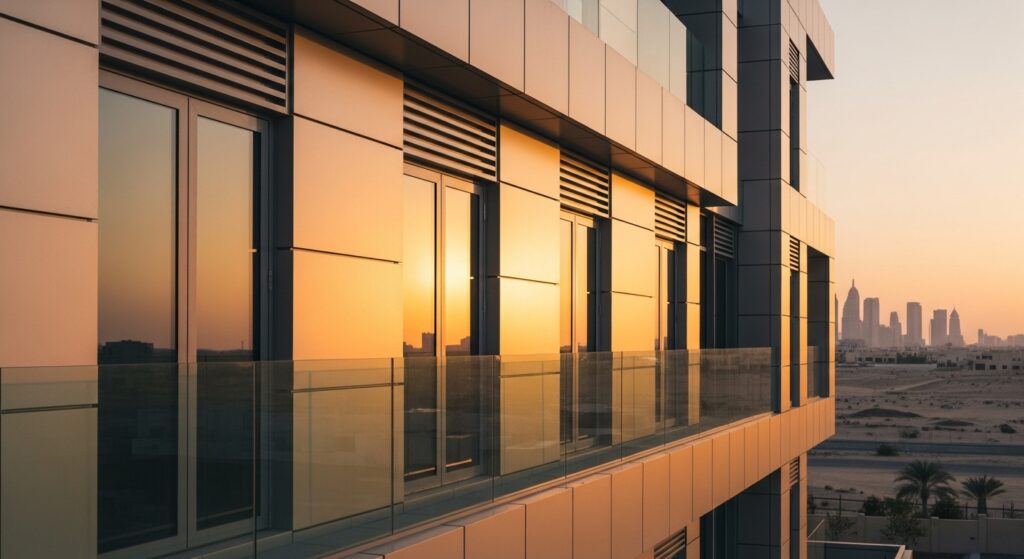
  • Selecting Aluminum Windows for Middle East Projects

    How to Choose Energy-Saving, Wind-Resistant and Corrosion-Proof Aluminum Windows for Hot Desert Climates

    middle east aluminum windows
    openhaus door&window

    When you are planning a construction or renovation project in the Middle East region, selecting the right aluminium window system becomes a pivotal decision.
    At Openhaus, a Chinese aluminium-window manufacturer with ten years of manufacturing experience, we understand how harsh climate, wind loads and salt air influence window performance.
    In this guide we will walk you through the factors you must consider when choosing aluminium windows for Middle East projects: energy efficiency, wind resistance, and corrosion protection.
    By understanding these three performance pillars, you will be able to specify a window system that is truly suited to desert climates, coastal zones and high-rise developments.

    1. Climate Challenges in the Middle East

    1.1. Extreme heat and solar radiation

    • Summer temperatures in many parts of the Gulf routinely exceed 45 °C, making heat gain through windows one of the major contributors to cooling loads.
    • According to recent research, windows oriented east or west can consume about 41 % more cooling energy than north-facing ones in UAE buildings.
    • Thus the window’s insulation properties and glazing system become critical to energy-saving performance.

    1.2 Strong wind loads and sandstorms

    • Coastal and desert zones in the Middle East are exposed to sandstorms, gusty winds and high cyclic loading; windows must withstand these wind loads without deformation or leakage.
    • For high-rise buildings especially, wind resistance ratings and structural frame robustness are essential.

    1.3 Corrosion from salt, humidity and dust

    • In coastal cities and humid zones the combination of salty air, humidity and aluminium surfaces creates risk of oxidation, fading or corrosion unless proper protective treatments are used.
    • Similarly inland in desert zones, aggressive UV radiation, fine sand and extreme thermal cycling also degrade ordinary finishes rapidly.

    2. Key Selection Criteria

    2.1. Thermal-break aluminium profiles

    • The first performance criterion in desert or Gulf climates is to choose aluminium profiles with a thermal break (polyamide or other insulating material) so as to interrupt heat transfer.
    • Without a thermal break, aluminium acts as a metal conductor, allowing exterior heat to pass indoors and increasing cooling load.
    • We recommend U-value targets of ≤3.0 W/(m²·K) or better for windows in this region.

    2.2. High performance glazing

    • Double or triple glazing with Low-E coatings and inert gas fill (argon) reduces solar heat gain and improves insulation—essential in high-temperature zones.
    • For wind- and sand-exposed façades, laminated tempered glass adds impact resistance and reduces damage from flying debris.

    2.3 Robust sealing & drainage

    • High quality EPDM gaskets, multi-point locks, and dedicated drainage channels are required to keep out dust, sand and moisture.
    • Especially where sand is frequent, a hidden drainage filter and sealed perimeter help prolong the frame life.

    2.4 Corrosion-resistant coatings and materials

    • Powder-coated aluminium with AAMA 2605 specification, or anodised finishes for coastal zones, help resist fading, chalking and salt corrosion.
    • Hardware (hinges, locks) should preferably be stainless steel (304/316) not just plated zinc, to cope with salty air.

    2.5 Wind-load certification & structural strength

    • In many Gulf countries and high‐rise developments, windows must pass wind-load tests and structural deflection limits; verify that your supplier can provide certified results.
    • Wall thickness of profiles, reinforcement, anchoring method and interlock systems must all be considered.

    3.Regional Adaptation Tips

    complete aluminum window product

    3.1. Coastal villas and resorts

    • For seaside or island developments, prioritise salt-spray resistance: anodised aluminum, 316-grade hardware, enhanced sealing and drainage.
    • Colours should avoid light pastel that fade quickly; choose darker or metallic finishes for longevity.

    3.2 Desert interior developments

    • In desert environments, heat, UV and fine sand dominate. Profiles need strong powder‐coated finishes, sanding resistance, and optimal glazing to reduce thermal gain.
    • Wind-resistant casements or inward-tilt types may outperform sliding systems for durability and sealing.

    3.3 High-rise urban towers

    • In tall urban buildings, noise reduction, tight seals and fire/safety compliance are additional concerns beyond climate.
    • Slim-frame aluminium systems that allow large glazing areas help optimise views while maintaining performance.

    4.Why Choose Openhaus for Your Middle East Project

    international cooperation aluminum doors

    • With ten years of manufacturing experience, Openhaus offers factory-direct aluminium window systems tailored for Middle East climates.
    • We source profiles with thermal break, offer glazing combinations for high heat and sand, and apply corrosion-resistant finishes for coastal projects.
    • Our production lines allow customised sizes, colours, hardware options and deliver at competitive pricing without middle-man mark-ups.
    • We stand behind our product with quality control, documentation and export experience for buyers in the Middle East, Central Asia and Africa.

    Summary

    In harsh Middle East climates, selecting aluminium windows simply based on aesthetics or cost is risky.

    You must evaluate energy-saving (thermal break & glazing), wind-resistant structure (certification & frame strength) and corrosion-proof materials (finish & hardware) together.

    When you partner with a manufacturer like Openhaus that understands these performance pillars, you minimise risk and maximise the lifespan and value of your window system.

    For any Middle East project—villa, resort or tower—these selection guidelines will help you get it right first time.

    📞 Contact Openhaus

    📧 Email: openhausliving@gmail.com

    🌐 Website: https://openhausliving.com

    🔺 YouTube: https://youtube.com/@openhausliv?si=dktMp7xiL4ubtP28

    📱 WhatsApp: +86 17623790407
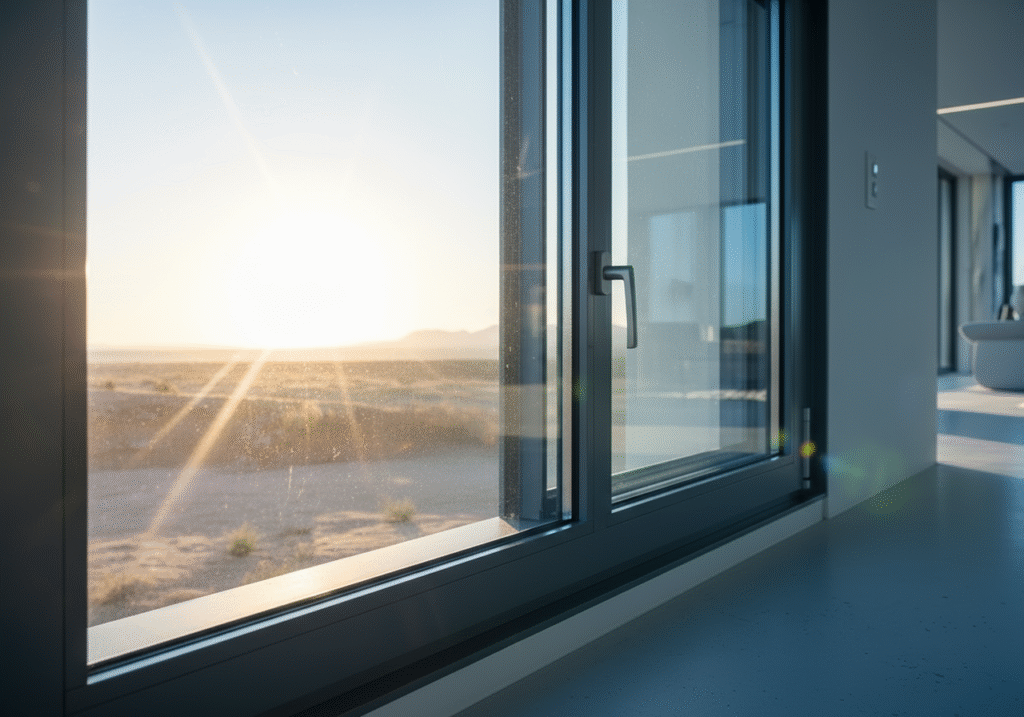
  • What Is Thermal Break Aluminum

    What Is Thermal Break Aluminum and Why It’s the Future of Windows and Doors

    Thermal Break Aluminum Window Profile Cross section
    Thermal Break Aluminum

    In modern architecture, energy efficiency is no longer optional—it’s a standard. From high-rise offices to private homes, thermal break aluminum windows and doors have become the go-to choice for architects and developers. But what exactly makes them so special? And how can you tell if you’re buying the right product?

    1.What Is Thermal Break Aluminum?

    “Thermal break” literally means a barrier that stops heat transfer.

    In thermal break aluminum profiles, a non-metallic material (usually polyamide or PVC) separates the inner and outer aluminum layers.

    This design effectively reduces thermal conductivity and prevents condensation—keeping interiors warm in winter and cool in summer.

    2.Why Thermal Break Aluminum Is Superior

    Window Material Comparison Infographic
    FeatureThermal Break AluminumOrdinary AluminumuPVC / Plastic Steel
    Heat Insulation★★★★★ Excellent★★ Poor★★★ Moderate
    Strength★★★★★★★★★★★
    Durability★★★★★★★★★★★★
    Aesthetics★★★★★★★★★★★
    Recyclability100%100%0%

    3. The Science Behind the “Bridge Break”

    • Aluminum is an excellent conductor of heat.
    • By adding an insulating strip, the “thermal bridge” is broken.
    • This means less indoor heat escapes in winter, and outdoor heat can’t easily enter in summer.

    Result: up to 40–60% improvement in insulation compared to regular aluminum windows.

    4.Key Components You Should Check Before Buying

    ① Insulation Strip

    Must use PA66 nylon certified by ISO standards—cheap replacements will degrade fast.

    ② Hardware Fittings

    Handles, hinges, locks—prefer German or top-tier local brands with anti-rust coating.

    ③ Glass Structure

    Use double or triple glazing with argon gas for best sound and heat insulation.

    ④ Sealing & Gaskets

    EPDM or silicone seals prevent wind and water leakage.

    ⑤ Profile Thickness

    Minimum wall thickness should be ≥1.6mm for exterior windows.

    5. How to Choose the Right Supplier

    Ask for Profile Certificates (CE, ISO9001, or EN standards)

    🔍 Check Factory Production Line Videos

    📏 Request Sample Corner Cuts

    🧾 Compare Total Cost, Not Unit Price

    6.Environmental and Energy Benefits

    • Thermal-break aluminum can reduce building energy consumption by 25–30%
    • 100% Recyclable and Reusable
    • Reduces carbon emissions and aligns with green building trends in Europe and Central Asia.

    Conclusion

    Buying thermal break aluminum windows isn’t about spending more—it’s about saving more in the long run. They lower your heating and cooling bills, boost property value, and ensure long-term performance.

    Looking for certified thermal break aluminum windows for your next project?
    👉 Contact us today for factory-direct prices and customized solutions.

    📞 Contact Openhaus

    📧 Email: openhausliving@gmail.com

    🌐 Website: https://openhausliving.com

    🔺 YouTube: https://youtube.com/@openhausliv?si=dktMp7xiL4ubtP28

    📱 WhatsApp: +86 17623790407

  • How Aluminum Windows Differ from Others

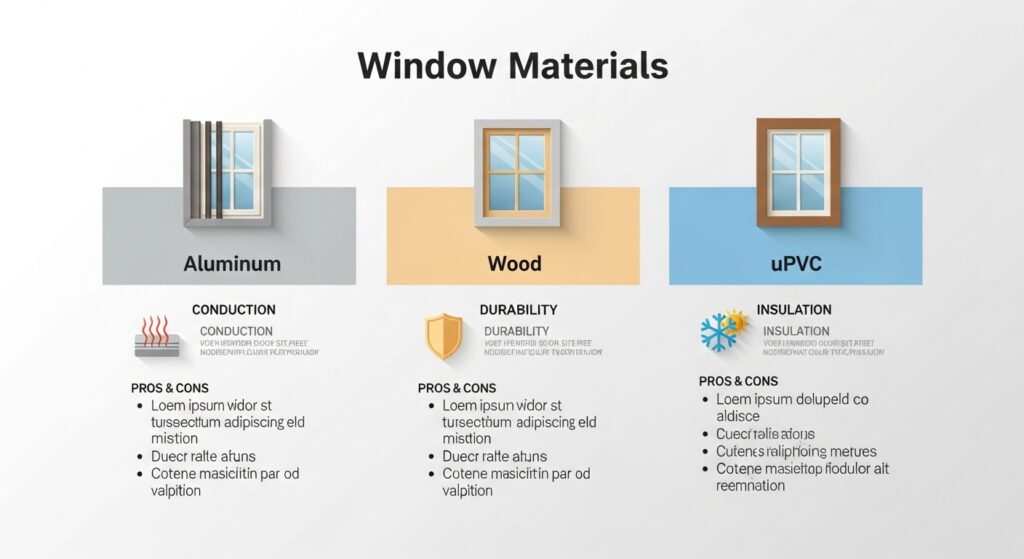
    Aluminum vs. uPVC vs. Wooden Windows: Which One Fits Your Building Best?

    modern house window material comparison

    Introduction

    When choosing windows for a new build or renovation, most homeowners and contractors face the same dilemma: aluminum, uPVC, or wood?
    Each material has its own charm, but only one truly meets the demands of modern architecture—balancing aesthetics, durability, and energy efficiency.

    1. Material Strength and Durability

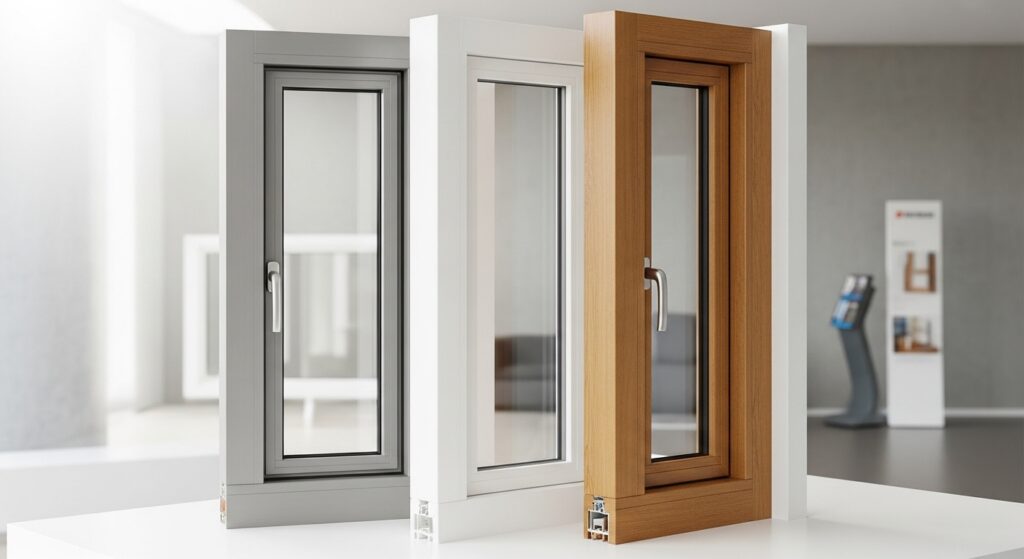
    three window types showroom
    Material Comparison Overview

    Aluminum:
    ✔ High tensile strength, resists warping and cracking.
    ✔ Excellent in extreme climates.
    ✔ Lifespan: 40–50 years with minimal maintenance.

    uPVC:
    ⚙ Resistant to corrosion but prone to deformation under heat.
    ⚙ Lifespan: around 20–25 years.

    Wood:
    🌲 Naturally strong but vulnerable to moisture and termites.
    🌲 Requires frequent painting and sealing.

    🪶 Conclusion: Aluminum offers unmatched structural stability—ideal for tall buildings and regions with temperature fluctuations.

    2. Thermal and Energy Efficiency

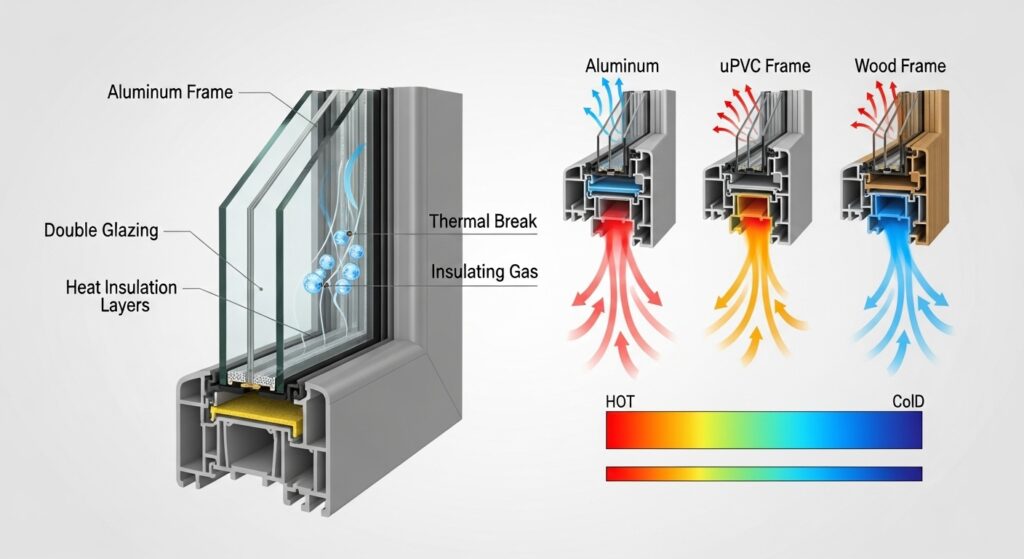
    window thermal break comparison
    Thermal & Energy Efficiency

    Aluminum:

    • When paired with thermal breaks and double glazing, performs excellently in heat insulation.
    • Reflects sunlight effectively, reducing cooling costs.

    uPVC:

    • Naturally insulating material, but performance declines over time as seals degrade.

    Wood:

    Excellent insulator but susceptible to swelling from humidity, reducing airtightness.

    💡 Pro Tip: For best results, choose aluminum windows with a polyamide thermal barrier.

    3.Aesthetic Flexibility

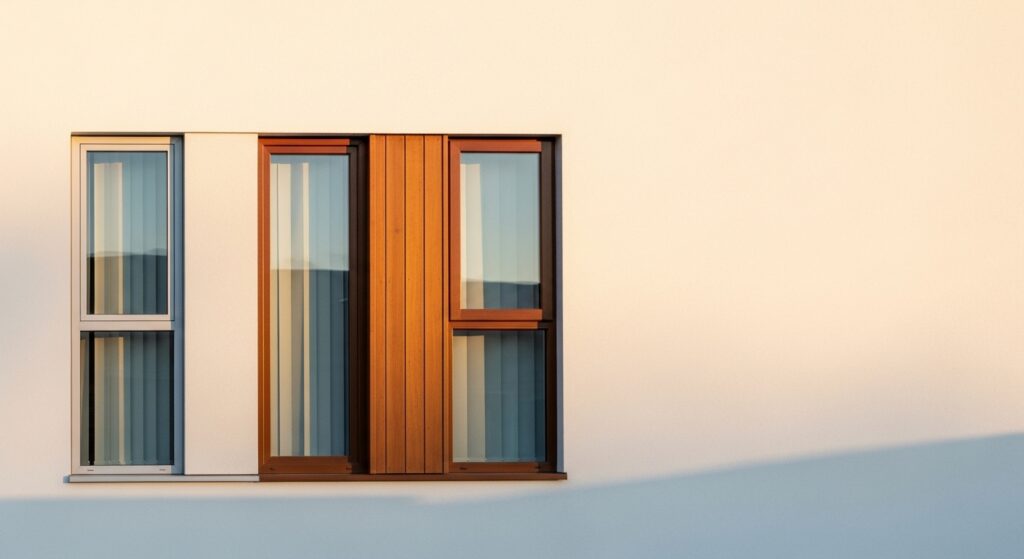
    modern house aluminum windows sunset
    Aesthetic & Architectural Style

    Aluminum:

    • Available in hundreds of finishes—powder-coated, anodized, or wood-grain textures.
    • Slim frames allow larger glass areas, giving a modern, minimalist look.

    uPVC:

    • Limited color range, often white or beige.
    • Cannot achieve ultra-slim profiles.

    Wood:

    • Natural beauty, warm tone—but needs regular maintenance to retain appearance.

    🎯 Verdict: Aluminum offers the most design freedom for architects and homeowners who value clean, modern aesthetics.

    4.Maintenance and Longevity

    cozy living room soundproof windows
    Soundproof & Comfort

    Aluminum:

    • Corrosion-resistant and requires only periodic cleaning.
    • Powder coating lasts decades.

    uPVC:

    • Easy to clean, but can discolor over time.

    Wood:

    Requires varnish or paint every 2–3 years.

    🧽 Tip: Aluminum’s low-maintenance nature saves significant long-term costs.

    5.Soundproofing and Comfort

    Paired with double or triple glazing, all materials can reduce noise—but aluminum frames with rubber seals and precision fittings achieve superior results.

    🎧 Fact: Properly sealed aluminum windows can block up to 40–50 dB of outside noise.

    6.Environmental Impact

    Aluminum: 100% recyclable, with minimal degradation.

    uPVC: Difficult to recycle, generates toxic residues when burned.

    Wood: Renewable resource, but deforestation remains a concern.

    🌱 Verdict: Aluminum strikes the best balance between performance and eco-responsibility.

    🏁 Final Verdict: Why Aluminum Wins

    FeatureAluminumuPVCWood
    Strength⭐⭐⭐⭐⭐⭐⭐⭐⭐
    Lifespan⭐⭐⭐⭐⭐⭐⭐⭐
    Aesthetics⭐⭐⭐⭐⭐⭐⭐⭐⭐
    Energy Efficiency⭐⭐⭐⭐⭐⭐⭐⭐⭐⭐
    Maintenance⭐⭐⭐⭐⭐⭐⭐
    Eco-Friendliness⭐⭐⭐⭐⭐⭐⭐

    🏆 Aluminum windows are the smart, sustainable, and stylish choice for both modern homes and commercial buildings.

    Call to Action

    Looking to upgrade your windows?
    👉 Explore our premium aluminum window collection designed for both performance and elegance.

    📞 Contact Openhaus

    📧 Email: openhausliving@gmail.com

    🌐 Website: https://openhausliving.com

    🔺 YouTube: https://youtube.com/@openhausliv?si=dktMp7xiL4ubtP28

    📱 WhatsApp: +86 17623790407
  • Aluminum alloy doors and windows purchase guide

    How to Choose Energy-Efficient Aluminum Windows for Cold Climates

    微信图片 20251012191011 115 2
    openhaus

    In regions like Kazakhstan, Russia, and Northern Europe, winters are long and freezing. Choosing the right energy-efficient aluminum windows and doors can significantly reduce heating costs and improve comfort.

    1. Why Aluminum Windows Are Ideal for Cold Climates

    Modern aluminum profiles with thermal break technology provide excellent insulation while maintaining durability and elegant appearance.

    Main Advantages:

    • 🌡️Thermal insulation reduces heat loss

    • 💨Airtight sealing keeps cold air out

    • 🔇Double or triple glazing ensures quiet and comfort

    • 🧊Withstands -30°C without deformation

    2.Key Factors to Consider

    1.Profile Design: Look for thermal-break aluminum (PA66 material).

    2.Glass Type: Double or triple glazed, Low-E coated glass is recommended.

    3.Sealing: EPDM weather-stripping prevents air and dust leakage.

    4.Hardware: Quality hinges and locks ensure long-term reliability.

    3. Why Choose Openhausmates

    Based in Chongqing, China, Openhaus has over 10 years of manufacturing experience in high-quality aluminum doors and windows.
    We designed a special “Kazakhstan Thermal Series” with:

    • Triple-glazed Low-E glass

    • Thermal-break aluminum profiles

    • Wind and dust resistance

    • Custom size & color options

    4.Contact Us

    • 📧 Email: openhausliving@gmail.com

    • 🌐 Website: https://openhausliving.com

    • 🔺 YouTube: https://youtube.com/@openhausliv?si=dktMp7xiL4ubtP28

    • 📱 WhatsApp: +86 17623790407

    Get our free product catalog and quotation — the smart choice for cold-climate construction.